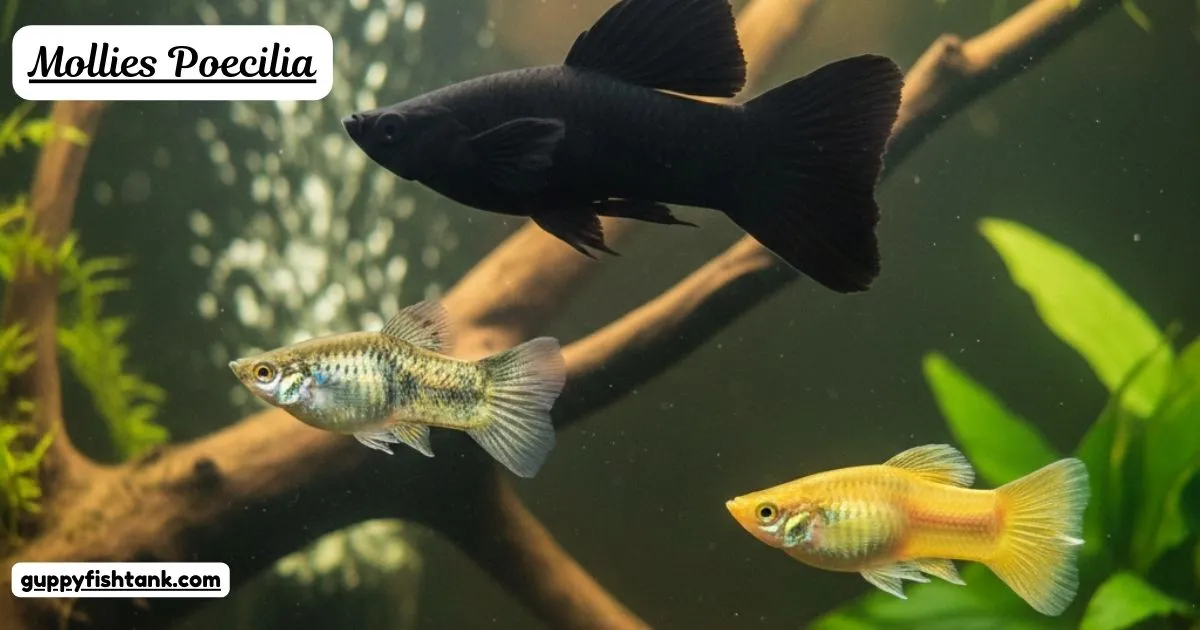
A lively aquarium buzzing with shiny mollies, Poecilia sp., darting around, popping out babies like confetti at a party. These little livebearers bring pure joy to any tank, turning your setup into an underwater wonderland. Native to Central America’s warm rivers, mollies, Poecilia sp., have won hearts worldwide for their chill vibes and easy-going charm. Ready to dive in and make them the stars of your home? Let’s get those mollies, Poecilia sp., swimming. Your fishy family happily awaits!
Poecilia Sphenops Deep Dive: Species, Morphs, and Genetics
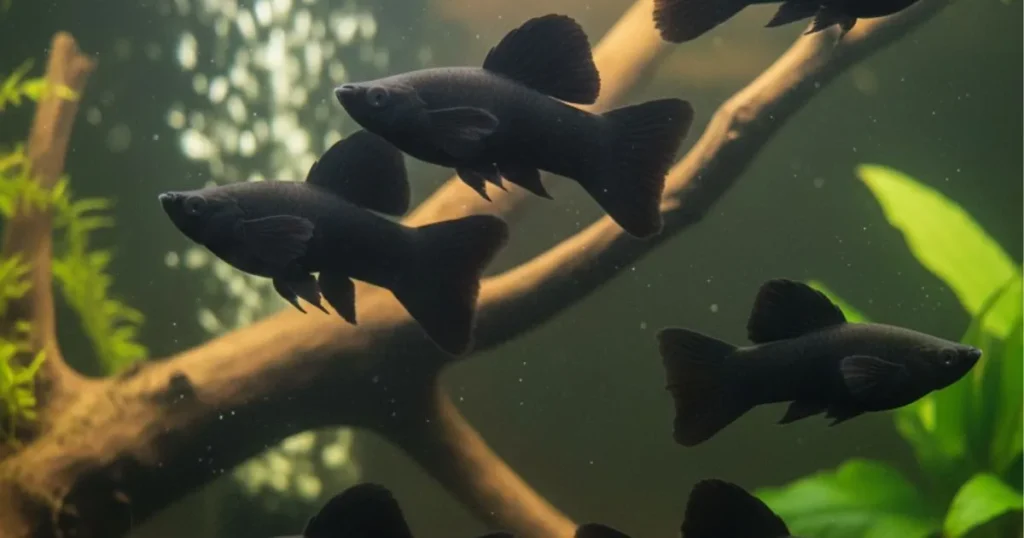
Mollies, Poecilia sp, or Poecilia sphenops to their science pals, started in sunny spots like Mexico and Central America. They’re tough cookies who love warm, slightly salty water. Think of them as beach bums in your tank. What makes them special? They give birth to live babies, not eggs, which feels like magic every time.
There are several choices: the sleek black molly with its striking color, the sailfin molly with large, impressive fins, the balloon molly with its plump belly, the lyretail molly with its fancy tails, and fancy mollies with unique mixes. Each morph shows different personalities. Black mollies are active explorers, while sailfins often like to display their fins. Choosing your favorites is like picking your favorite ice cream flavors everyone has their own preference. Here’s a quick table to help:
| Black Molly | Shiny black | Adventurous |
| Sailfin Molly | Big tail fins | Showy |
| Balloon Molly | Round tummy | Cute cuddler |
| Lyretail Molly | Flowy tails | Elegant dancer |
Genetics plays a game here, mix parents wisely to avoid weak fry. Start with healthy pairs, and you’ll breed a rainbow of wonders that light up your day. Excited yet?
Tank Size and Setup Mastery for Molly Fish Care
You want your mollies, Poecilia sp, living their best life? Start with a space aim for at least 20 gallons for a small school of 4. Bigger is better: 30 gallons lets them zoom without bumping elbows. Think of it as giving them a cozy house with room to play.
Gear up right: soft sandy bottom for their bellies, gentle filters to keep water crystal clear, and a heater holding 75-82°F. Add plants like Java Fern or Hornwort, they love hiding and nibbling on them. Live plants for Molly fish tank setups make everyone happy, turning your tank into a green paradise. Pro tip: dim lights at first so shy newbies settle in fast.
Skip sharp gravel, it hurts their delicate mouths. With this setup, your Molly fish care routine feels like a breeze, and those happy wiggles will melt your worries away.
Molly Water Parameters Explained: pH, Hardness, and Salinity Myths.
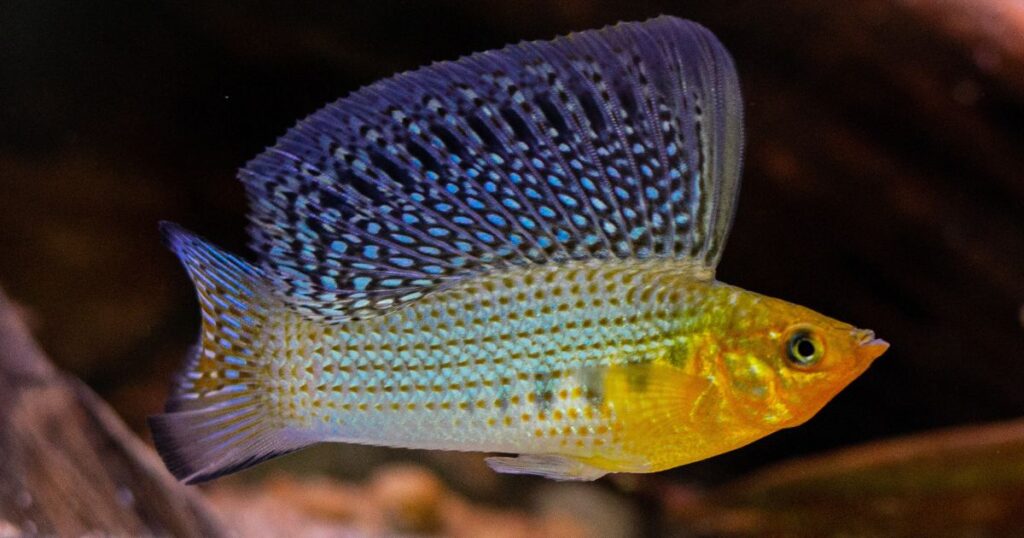
Ever wonder why your mollies twitch or fade? It might be the water! Let’s break it down super simple: they crave warm water at 75-82°F, pH between 7.5 and 8.5, and hard water with 10-25 degrees of general hardness (dGH). That’s like their perfect bath cozy and just right.
Salinity myths? Some say “always add salt,” but nope! Freshwater works if you match their wild roots. Add a pinch (1 teaspoon per 5 gallons) only for sickness or breeding, it perks them up like a spa day. Here’s your easy table:
| Temperature | 75-82°F | Keeps them active and cozy |
| pH | 7.5-8.5 | Stops stress and sickness |
| Hardness | 10-25 dGH | Builds strong bones |
| Salinity | 0-1 ppt (optional) | Boosts health, not a must |
Test weekly with cheap kits, your mollies will thank you with endless energy. Watch them thrive, and feel that proud glow!
Feeding Strategies for Healthy Mollies: Beyond Basic Flakes
Feeding time? Make it a party! Mollies, Poecilia sp are omnivores; they munch flakes, bits of zucchini, and live treats like brine shrimp. Drop food 2-3 times a day, only what they eat in 2 minutes, no overstuffing, or you’ll cloud the water.
Mix it up: veggies like blanched spinach for fiber, algae wafers for crunch, and occasional bloodworms for that thrill. Calcium boosts from crushed coral keep their sparkle; without it, they get wobbly. Molly’s diet secrets? Fast one day a week, happier fish, clearer tank.
Your crew will gobble it down, tails flashing like fireworks. Seeing plump, zippy mollies feels like winning the aquarium lottery!
Read More: Pearl Gourami Care Guide: Size, Tank Mates, Breeding & Easy Setup for Beginners
Safe Tank Mates for Mollies Poecilia Sp: Full Compatibility Guide
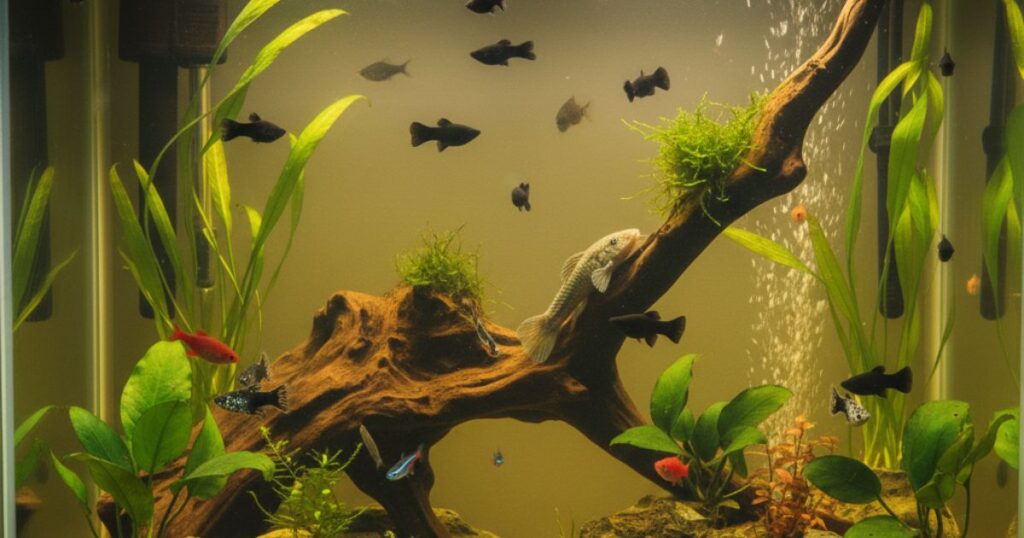
Who parties with mollies, Poecilia sp? Friendly schoolers! Go for 6+ neon tetras or danios, they zip around without drama. Corydoras catfish clean the bottom, gouramis float above perfect balance.
Guppies? Yes, if you watch males, they flirt but rarely fight. Best tank mates for Molly fish include peaceful picks like platies. Avoid fin-nippers like tiger barbs or big bullies like cichlids; they turn your dream tank into a battle zone.
Check this compatibility chart:
| Tetras, Danios | Tiger Barbs | Too nippy |
| Corydoras, Guppies | Big Cichlids | Bossy bullies |
| Platies, Otos | Bettas | Fin chasers |
Add new friends last, and watch harmony bloom. Your mixed crew will dance together, filling your heart with smiles.
Breeding Poecilia Sp Mollies: Pro Tips for 100+ Fry Success
Breeding molly fish is an exciting process. Females produce 30-100 live fry around every 28 days. Prepare them with extra proteins like baby brine shrimp to ensure they are healthy and ready.
Set up a breeding tank with plants for fry hideouts. Males chase, females drop babies, scoop fry to a safe net to dodge snack time. Molly breeding tricks: separate sexes till ready, add Indian almond leaves for health.
Fry grow fast, feed crushed flakes and infusoria. Soon, you’ll have a school swelling your tank with life. That first batch of tiny swimmers? Heart-melting magic!
Why Do My Mollies Have Shimmy Syndrome? Diagnosis and Cures
Spot your mollies twitching like they’re dancing funny? Shimmy syndrome hits from stress, bad water, low minerals, or bullies. They shimmy, lose color, and look sad. Don’t panic!
Fix it fast: bump minerals with coral or salt, do 25% water changes, and quarantine sick ones. Ich shows white dots treated with gentle meds. Fin rot? Clean water and Indian almond leaves heal fins.
Other woes, like dropsy (bloated bellies), need vet fish food. Common molly diseases treatment starts with params check. Your quick moves save lives, hero status unlocked, with wiggly recoveries that warm your soul.
Advanced Molly Morph Care: Black Molly vs. Sailfin Differences
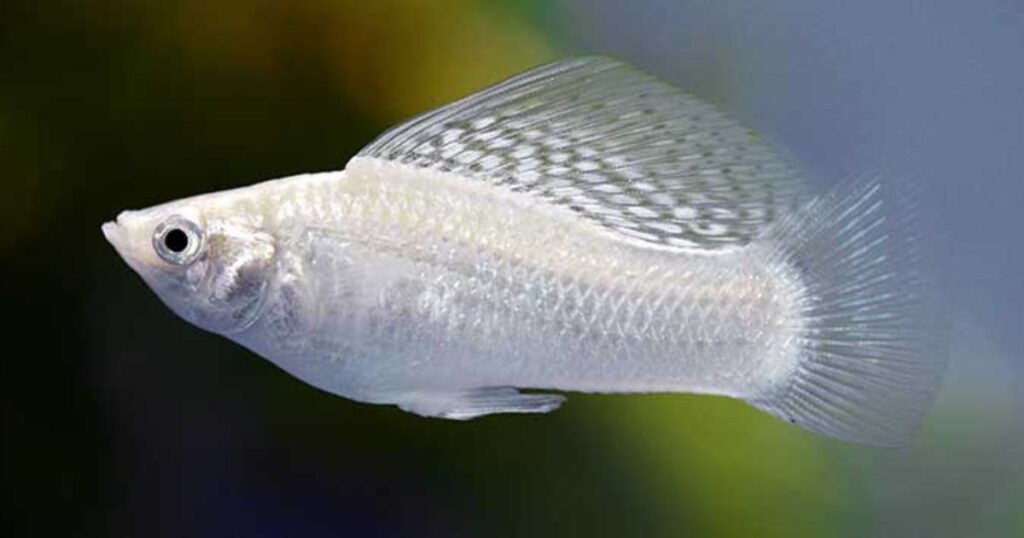
Fancy upgrades? Black Molly loves cooler spots and extra veggies; they shine like onyx stars. Sailfin molly needs big tanks for those giant tails; give swimming lanes, or they’ll sulk.
Black Molly care differences: tougher in soft water, but watch for melanism fade. Sailfin? Calcium queens crushed shells daily. Lyretail molly morphs stay small, perfect for 20-gallon starters.
Tailor care: blacks get dim lights, sailfins crave current. Mixing morphs? Heaven for variety lovers. Your tailored tank becomes a showcase, bursting with pride.
Cost Breakdown: Setting Up a Molly’s Poecilia Sp Aquarium
Dream tank on a budget? Let’s count coins Lahore style. Starter 20-gallon tank: $20-30. Heater/filter: $25 each. Plants/lights: $15. Four mollies Poecilia sp: $2-5 each ($8-20).
Monthly extras: food $5, tests $10. Total startup: under $100. Breeding pays back sell fry for $1 each!
| Tank | 5,000-7,000 | Yes |
| Mollies (4) | 500-1,000 | Yes |
| Food/Meds | 1,000/month | Yes |
Smart spending = endless fun without wallet tears. Affordable joy, right?
Lifespan Extenders for Mollies:
Mollies live 3-5 years, stretch it! Weekly 30% changes banish toxins. UV sterilizers zap baddies for super health. Mollies’ tank size in gallons matters: cramped = short life.
Fancy mollies poecilia sp natural habitat tricks: floating plants cut stress. Shimmy syndrome mollies prevention? Mineral blocks always. Breeding mollies’ fry protection extends parents’ prime.
FAQs
Can mollies, Poecilia sp live in freshwater without salt?
Absolutely, yes! These tough livebearers adapt well to freshwater if you keep minerals high with crushed coral or Wonder Shells. Many hobbyists skip salt entirely and see them thrive for years, dodging that stressful “shimmy” dance.
What causes shimmy syndrome in Molly fish care, and how do I fix it fast?
Shimmy hits from soft water or stress your mollies twitch like they’re cold. Boost calcium, do 25% water changes weekly, and add a pinch of salt only if needed; watch them perk up in days, tails flashing happily again.
Are guppies or tetras safe tank mates for mollies, Poecilia sp?
You bet guppies and neon tetras make fantastic buddies in a 30-gallon setup, zipping around without nips. Just add them last and watch for flirty males; your community tank turns into a peaceful party.
How often do mollies, Poecilia sp breed, and how do I protect the fry?
Females drop 30-100 live fry every 28 days, baby explosion! Use dense plants like Java moss for hiding or net them off; feed crushed flakes to the little ones, and feel that heart-bursting joy of new life.
What’s the minimum tank size for Molly fish care with a school?
Go 20 gallons minimum for 4 mollies, Poecilia sp, but 30+ is ideal for zooming space. Cramped quarters stress them out. Give them room, and you’ll have vibrant swimmers lighting up your day for 3-5 years.