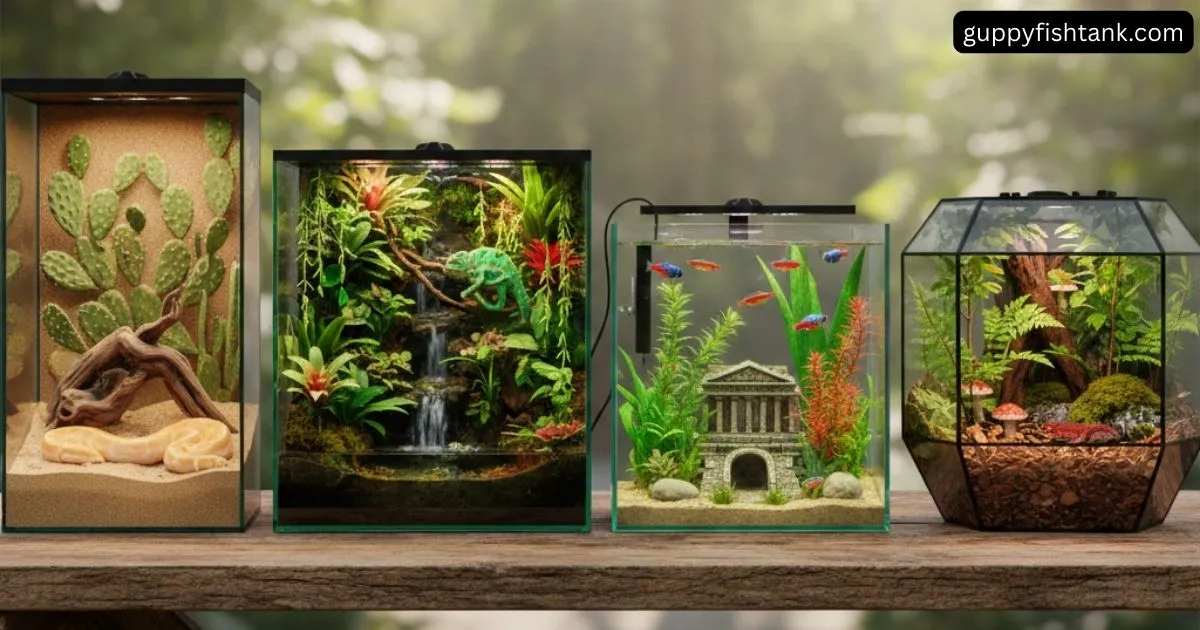
Imagine building your own tiny jungle or ocean right in your living room – that’s the magic of a different type of vivarium (an enclosed habitat for plants and animals). A vivarium is like a special home that copies nature’s cozy spots so its living things thrive happily. Unlike a plain aquarium (a water-only tank for fish) or a terrarium (a tank for land-dwelling plants and animals), a vivarium blends both for real adventure. Why dive in? It sparks joy watching life buzz, teaches patience, and turns your space into a heartwarming wonder. Ready to explore different types of vivariums? Let’s make it fun and simple – no scary science here!
Core Types of Vivariums
You’re picking your dream pet house. Types of vivariums come in flavors to match your vibe. First up, the aquarium – a watery paradise for fish like speedy guppies dancing with green weeds. It’s super easy if you love your freshwater tank but want more sparkle.
Next, the terrarium rules dry land. Think lizards lounging on mossy rocks or frogs hopping in humid hideouts. Perfect for reptile fans dreaming of desert or rainforest feels.
Then there’s the paludarium, my favorite mash-up! Half water, half land – imagine frogs leaping from streams to leaves, or shrimp munching shore plants. It’s like a beach party in a glass.
Don’t miss the riparium, water-heavy with edges bursting plants that poke out like nature’s fireworks. Guppies and snails love it here, feeling wild and free.
| Aquarium | Fish, water plants | Easy start, calming bubbles | Needs filter changes |
| Terrarium | Lizards, land plants | Dry fun, simple heat | Watch humidity |
| Paludarium | Frogs, shrimp | Adventure mix, pretty views | Balance water levels |
| Riparium | Guppies, edge plants | Natural flow, fish happy | Plants grow tall fast |
These main types of vivariums light up your heart – which calls to you?
Specialized Vivarium Variations
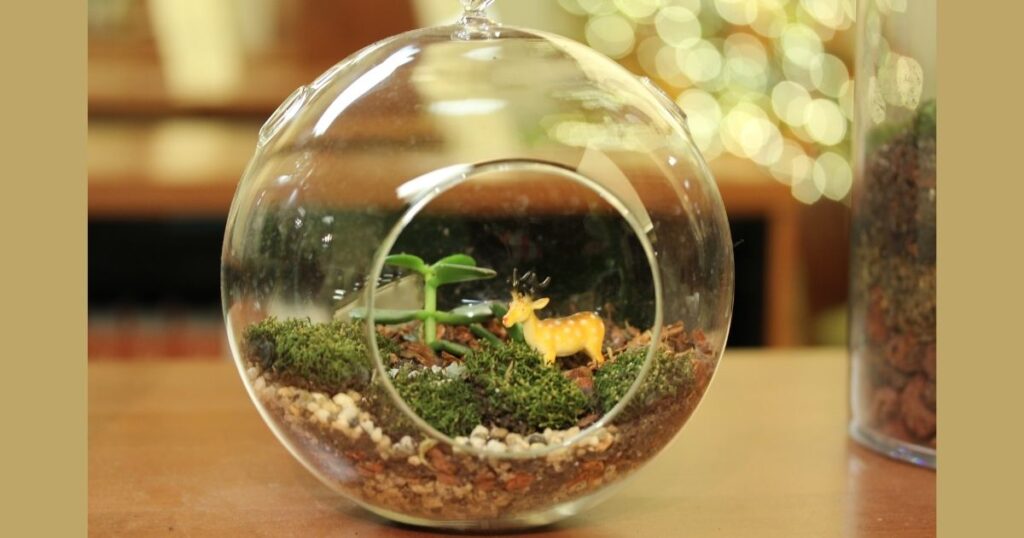
Feeling bold? Step into specialized twists on vivarium tanks. A bioactive vivarium is genius – bugs and critters clean it naturally, like a self-tickling backyard. Add springtails as tiny janitors for zero mess magic.
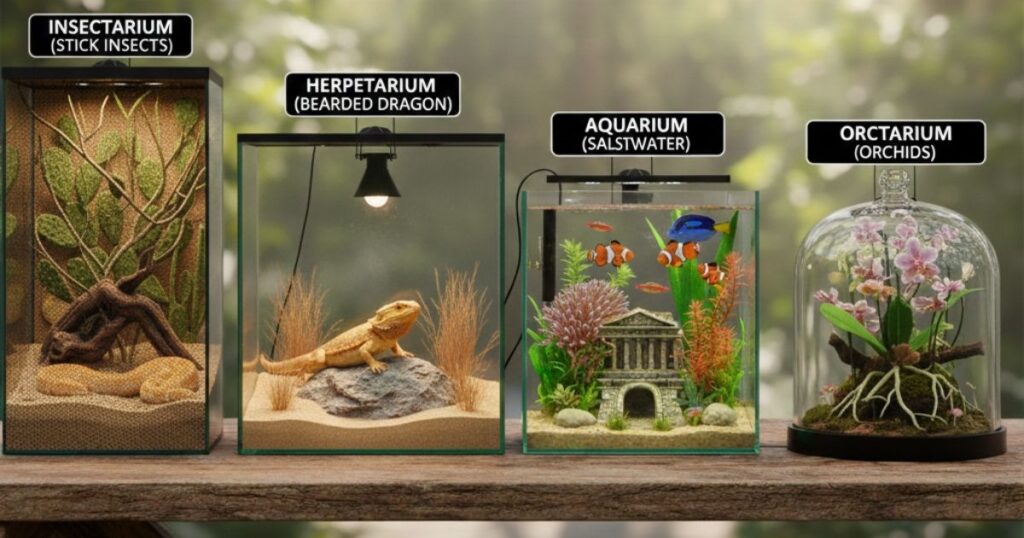
Try an insectarium for creepy-crawly pals. Stick insects sway like tree giants, or beetles burrow in soft dirt. Kids giggle at the wiggly show!
Formicarium? Ant farms on steroids! Watch ant armies tunnel kingdoms, teaching teamwork in real time.
Oceanarium brings sea vibes home – mini corals and clownfish darting, but smaller scale for your shelf.
Even an orchidarium focuses on pretty flowers; no animals are needed. These different types of vivariums add wow – your friends’ jaws drop!
Having covered types, let’s talk about another key piece: lighting for your vivarium.
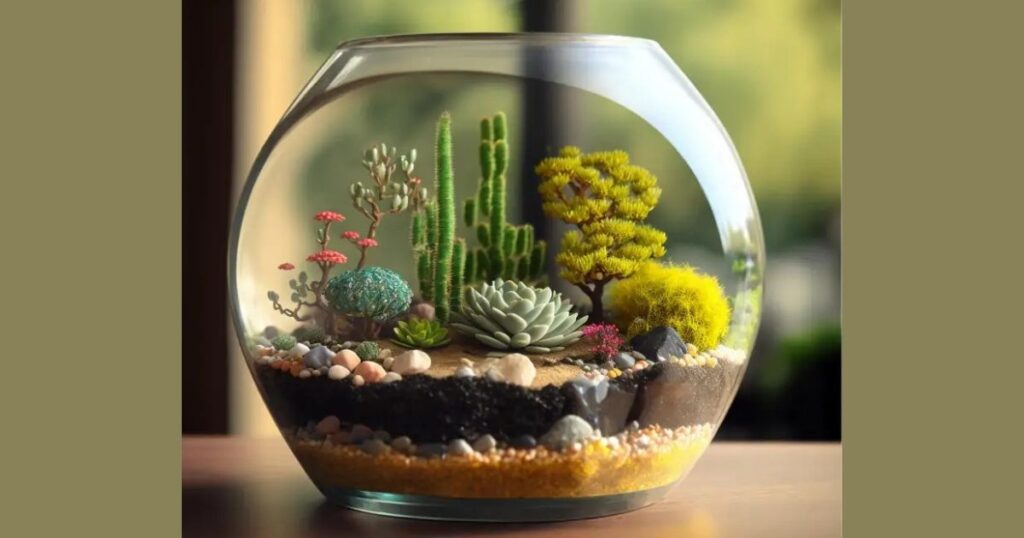
Ever wonder why your plants droop sadly? Lighting is their sunshine hug! For vivarium plants, pick LED lights – cheap, cool, and full-spectrum like real sunbeams. Aim for 6500K “daylight” color to make greens pop.
Bioactive terrariums need gentle glows for shy microfauna. UVB bulbs help lizards make vitamin D, but skip for fishy paludariums. Start with a $20 clip-on lamp over your vivarium tank – 8-12 hours a day, with a timer for lazy mornings.
Pro tip: Too dim? Leaves yellow like forgotten bananas. Too bright? Algae party crashers arrive. Dial it just right, and watch your world glow with life – pure bliss!
Essential Equipment and Substrates
Gear up without breaking the bank! Every vivarium needs a glass tank (10 gallons for starters), a lid to trap humidity, and a heater for cozy temps.
Substrate is the fluffy floor – coconut fiber or ABG mix for bioactive vivariums, lets roots drink happily. Add leaf litter for bug hotels.
Microfauna, like isopods, are secret heroes, chomping waste. Hardscape? Rocks and driftwood for climbing gyms – arrange like a kid’s fort.
Costs? Basic types of vivarium tanks: $50 for tiny, $500 for epic. Here’s a quick saver table:
| Tank | 30 | 150 |
| Light | 20 | 80 |
| Substrate | 10 | 40 |
| Total Starter | 80 | 350 |
Hunt local shops for deals – your wallet smiles, your critters thrive. Heart-melting setup awaits!
Read More: Triops Care for Beginners: Easy Triops Tank Setup Guide
How to Build Your First Vivarium Step-by-Step
Grab your gloves – let’s build! Step 1: Rinse your tank, add 2 inches of drainage rocks (no soggy disasters).
Step 2: Layer substrate – 3-4 inches deep, wet it gently like squishy mud pies.
Step 3: Place hardscape – big rocks back, wood front for peeks. Step 4: Plant! Poke vivarium plants like pothos or ferns into the soil.
Step 5: Mist water, add friends slowly. Cycle 2 weeks – test water like a science hero.
For vertical vivariums (wall magic!), stack shelves with zip ties. DIY vivarium ideas shine here – thrift jars become ripariums. In 30 minutes, your watery dream blooms. You did it – proud tears incoming!
Common Mistakes and Troubleshooting
Oops moments happen – but you’re smarter! Don’t overwater; paludariums drown fast. Fix mold with less mist, more air flow.
Pests? Quarantine newbies. Fish gasping? Check heater – 75-80°F sweet spot for guppies.
Riparium vs paludarium mix-up? Ripariums tilt water-heavy. Terrarium for scorpions? Dry only!
Maintenance for Long-Term Success
How often should you clean a vivarium? Spot-clean weekly (suck poop, trim dead leaves), deep refresh monthly. Cleaning a vivarium is quick – net tools, no soaps.
Feed lightly: Plants sip fertilizers twice yearly. Watch humidity (60-80% for most types of vivariums) with gauges.
Bioactive vivarium maintenance? Microfauna does 80% work. Peek daily for joy – thriving greens mean you’re a star parent!
Trends and Custom Ideas
Hot now: Vivarium setup for beginners with app lights. Tropical hybrids rock Pakistan’s warmth – pair guppies with froglets in paludariums.
Vivarium humidity control via foggers. Custom? Mossy fairy worlds or fish-shrimp rivers. Best vivarium lighting evolves to solar mimics.
Pakistan twist: Use local ferns, battle dry air with trays. Join online groups for swaps – your unique bioactive terrarium inspires all. Dream big, build now – endless smiles ahead!
FAQs
What’s the difference between a vivarium, terrarium, and aquarium?
A vivarium mixes land and water for plants and critters like frogs or guppies, while a terrarium sticks to dry land for lizards, and an aquarium is all-water for fish. Pick based on your buddies’ needs – it keeps everyone happy and splashing!
How do I start a bioactive vivarium on a budget?
Grab a 10-gallon tank ($30), coconut fiber substrate ($10), springtails as cleaners ($5), and free yard plants. Layer it up, mist daily, and watch nature do the work – under $50 for a thriving bioactive terrarium that wows!
Can I add fish like guppies to a paludarium or riparium?
Absolutely! Guppies love the water half of paludariums or ripariums with emergent plants for hiding. Keep temps 75-80°F and add hiding spots – they’ll dart like happy arrows, blending your aquarium vibes perfectly.
What’s the easiest type of vivarium for beginners?
Start with a riparium – mostly water like your fish tank, plus edge plants for flair. It’s forgiving, low-maintenance, and makes setting up “types of vivariums” a breeze. Joy in every bubble!
How often should you clean a vivarium?
Spot-check weekly (scoop waste, trim leaves), deep clean monthly with no soaps. Bioactive vivariums self-clean 80% thanks to microfauna – minimal fuss for maximum green-hearted peace.