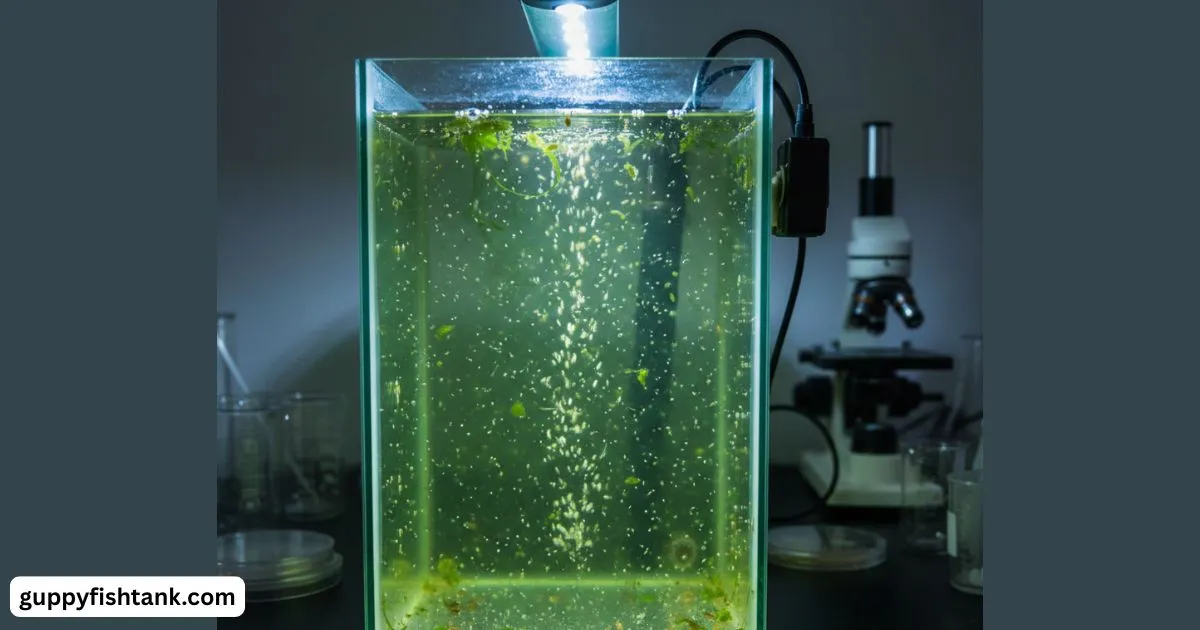
If you want a healthy, thriving aquarium, there’s one tiny creature you absolutely can’t ignore: copepods. These microscopic crustaceans might be small, but they bring big benefits to your tank. From keeping water clean to feeding your fish naturally, copepods are like the unsung heroes of the aquatic world. In this article, we’ll dive into 5 powerful reasons you need copepods in your tank, reasons that will make you wonder how you ever managed without them. By the end, you’ll see why adding these little critters is a game changer for every aquarist.
Reason 1: The Ultimate Live Superfood
Many new aquarium keepers think a pinch of fish flakes is all their fish need. But that’s like saying a person can be perfectly healthy eating only crackers for every meal. Live food, especially copepods, offers something that dry, processed food simply can’t match.
Why Can’t I Just Use Flakes?
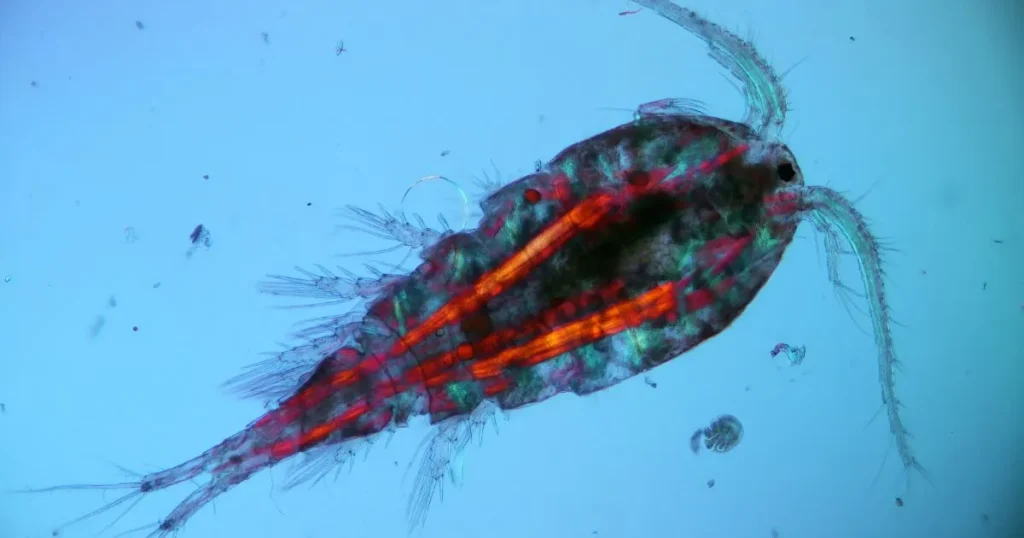
Think about how a cat loves to chase a laser pointer. That’s its natural hunting instinct kicking in. Fish are no different! When you drop copepods into your tank, their zippy, darting movements trigger those same predatory instincts. Your fish won’t just be eating; they’ll be hunting, which reduces stress and keeps them active and engaged.
More importantly, copepods are a nutritional powerhouse. They munch on phytoplankton and microalgae, converting them into a meal packed with high quality protein and essential fatty acids. When your fish eat these “gut loaded” copepods, they get all those amazing nutrients, too. This is the kind of premium food source that leads to brighter colors, stronger immune systems, and more energetic fish.
Essential for Picky Eaters
Some of the most beautiful marine fish are also the pickiest eaters. They simply will not eat flakes or pellets. The Mandarin Goby, with its psychedelic patterns, is famous for this. In the wild, Mandarins and their cousins, Scooter Blennies, spend all day pecking at rocks, hunting for tiny crustaceans. Without a large, established population of copepods, these fish will slowly starve in an aquarium, which is heartbreaking to watch.
Other specialized feeders like seahorses and pipefish also depend on a constant supply of live food to graze on throughout the day. For these delicate species, having a thriving copepod population isn’t just a bonus; it’s a lifeline. Adding copepods into your tank is the single best thing you can do for their long term health.
Larval Fish Survival
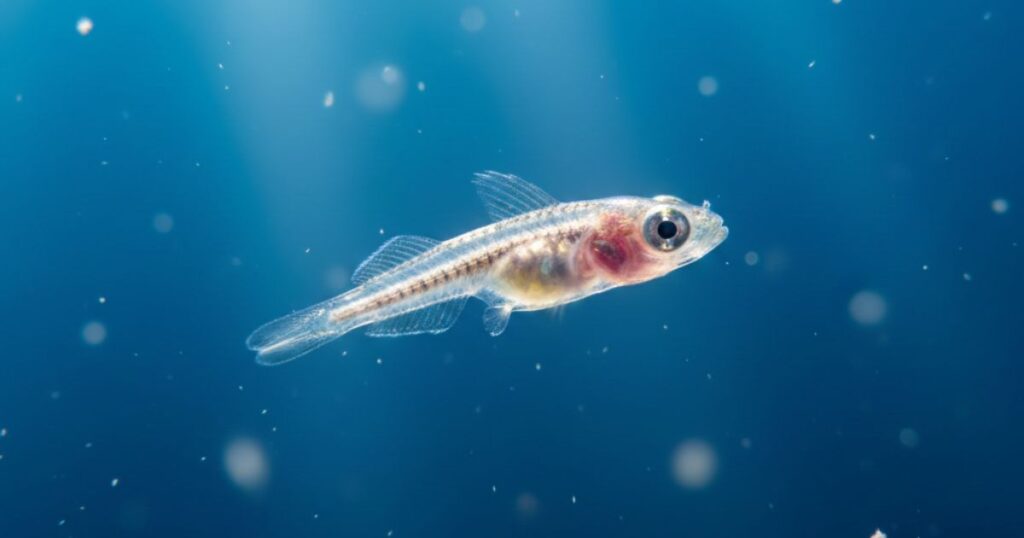
Have you ever tried to breed your fish? If so, you know the biggest challenge is feeding the babies, or “fry.” Their mouths are so tiny that they can’t eat normal fish food. This is where copepod nauplii, the baby copepods, come in. They are the perfect size for newborn fish and provide the critical nutrition needed during their first few weeks of life, dramatically increasing their chances of survival.
Reason 2: The Cleanup Crew You Didn’t Know You Hired
Every aquarium owner knows the endless chore of cleaning. You siphon the gravel, scrub the glass, and fight back that ugly brown algae. What if you had a tiny, 24/7 cleaning crew working for you? That’s exactly what copepods do. Their role as tank cleaners is one of the best 5 reasons you need copepods in your tank.
Detritus Destroyers
“Detritus” is the fancy word for all the gunk that builds up in your tank: fish waste, uneaten food, and decaying plant matter. It settles in the sand, between rocks, and in all the little cracks where your siphon can’t reach. This is where copepods shine. These little detritus destroyers crawl into every nook and cranny, consuming waste before it can break down and pollute your water.
They are the ultimate deep cleaners, accessing inaccessible spots and keeping your substrate looking fresh. A healthy population of copepods will make your regular maintenance much easier and more effective.
The Algae Battle
Nuisance algae are the arch nemesis of many aquarium hobbyists. Copepods are a powerful, natural weapon in the fight against it. They love to graze on the thin film of microalgae and diatoms that coats your glass and rocks.
By constantly eating these early forms of algae, they help prevent bigger, uglier blooms from taking hold. They also compete with algae for the same nutrients in the water, essentially starving it out. Having copepods on your side means you’ll spend less time scraping and more time enjoying a sparkling clean tank.
Nutrient Recycling
Here’s where things get really cool. Copepods perform a magic trick called nutrient recycling. They eat all that waste and algae, which contains things like nitrates and phosphates that can harm your tank in high amounts. Instead of letting that waste pollute the water, their bodies convert it back into a nutritious food source.
Think of it as the ultimate “poop loop.” They eat waste, and then they become a healthy snack for your fish. This closes the nutrient cycle in your aquarium, turning a problem (waste) into a solution (free, healthy fish food). This is how you build a truly balanced aquatic food web.
Reason 3: Boosting Coral Health and Growth
If you have a reef tank, you know that keeping corals happy is a top priority. While fish are fun to watch, corals are the living, breathing heart of the reef. Many hobbyists think corals only need powerful lighting to thrive, but they also need food.
Read More: Cherry Barb Care Guide: Raise Happy Ruby Schools!
Feeding the Reef
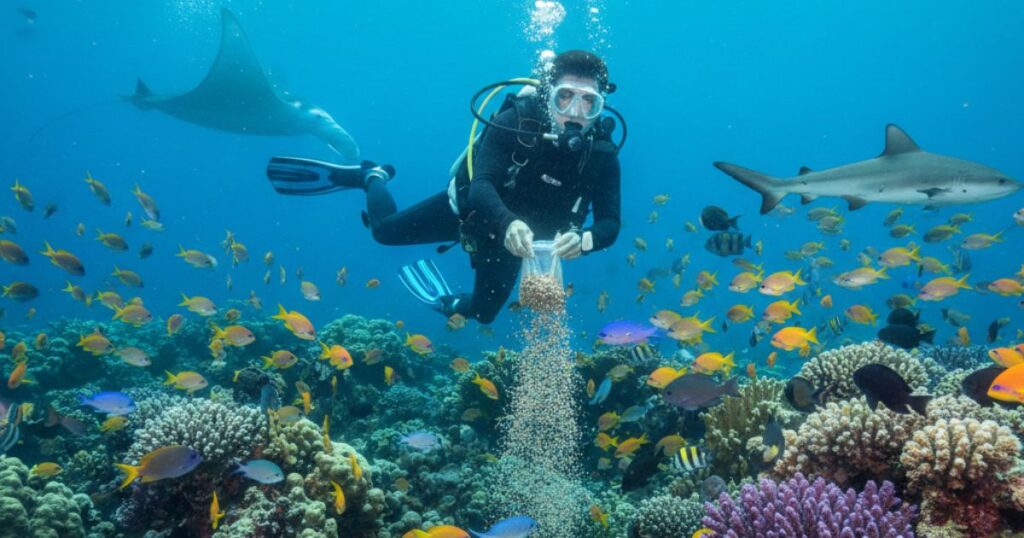
Corals are animals, and they need to eat. At night, you might see them extend tiny, wispy tentacles. They’re not just stretching, they’re hunting! Corals extend these tentacles to capture zooplankton, like copepods, that swim by in the water column. Providing a steady supply of live copepods gives your corals the chance to feed just like they would in the ocean.
Improved Coloration and Growth
What happens when your corals get to eat a nutritious meal? They reward you with better health, faster growth, and more stunning colors. The high lipid (fat) content in copepods is like a power bar for coral tissue. Corals that are well fed are more resilient to stress and are better able to fight off diseases.
Whether you have Small Polyp Stony (SPS) corals or Large Polyp Stony (LPS) corals, they will all benefit from having copepods in the water. For many non photosynthetic corals, which don’t rely on light for energy, a constant source of zooplankton is absolutely essential for their survival.
Reason 4: Biodiversity and Ecosystem Stability
A healthy ecosystem is a diverse one. This is true in a rainforest, on a coral reef, and inside your aquarium. By adding copepods, you are adding a foundational layer of biodiversity that makes your entire tank more stable and resilient. This benefit alone is among the most important 5 reasons you need copepods in your tank.
Preventing Monocultures
When a tank is too “clean” or sterile, it can become vulnerable to a single, harmful organism taking over. This is what happens with dreaded pests like dinoflagellates. A diverse microscopic community, including different types of copepods and beneficial bacteria, creates competition. This makes it much harder for one nasty pest to establish a monoculture and crash your tank.
The Refugium Connection
A refugium is a small, separate tank connected to your main system that acts as a safe haven. It’s a place where you can grow macroalgae and allow microfauna like copepods to reproduce without being eaten. The copepods then flow from the refugium into your display tank, providing a constant, stable food source. This setup is one of the best ways to ensure your copepod population remains strong.
Food Web Resilience
Life happens. Sometimes you might forget a feeding or go on a short vacation. When you have a self sustaining population of copepods in your aquarium, it acts as a buffer. Your fish and corals will have a natural food source to graze on, making your entire ecosystem more resilient to small mistakes or disruptions.
Reason 5: Cost Effectiveness and Sustainability
Taking care of an aquarium can be an expensive hobby. Between food, equipment, and livestock, the costs add up. Copepods offer a wonderful way to save money while creating a more natural and sustainable system. For the budget conscious hobbyist, this is one of the most practical 5 reasons you need copepods in your tank.
The Self Replenishing Buffet
When you add a starter culture of copepods to a healthy tank, they will start to reproduce. As long as they have food (algae and detritus) and places to hide, their population will grow and sustain itself. This creates a self replenishing, all you can eat buffet for your fish and corals. You get a continuous supply of the highest quality live food, and it’s completely free!
Culturing at Home
Want to take it a step further? You can easily grow your own copepods in a separate bucket or small tank. Starting your own copepod culture is surprisingly simple and allows you to produce thousands of pods to feed your tank regularly. This method significantly reduces your reliance on buying frozen or dry foods, saving you a lot of money in the long run.
Environmental Impact
Many processed fish foods and even some wild caught live foods have a significant environmental footprint. By culturing your own copepods at home, you are choosing a much more sustainable path. You are reducing waste from packaging and lowering the carbon footprint associated with shipping. It’s a small step that makes a big difference.
Selecting and Seeding: Which Pods Do You Need?
Walking into a store or looking online, you might see different types of copepods for sale. It can be confusing, but it’s easy once you know the basics.
The Big Three: Harpacticoid vs. Cyclopoid vs. Calanoid
- Harpacticoid (The Crawlers): These pods, like Tisbe and Tigriopus, live on surfaces. They are fantastic for cleaning up detritus on your sand bed and rocks, and are perfect for bottom feeding fish.
- Cyclopoid (The Swimmers/Crawlers): These pods, like Apocyclops, do a little bit of everything. They swim in the water and crawl on surfaces, making them a great all around choice.
- Calanoid (The Open Swimmers): These pods spend their lives in the open water. They are the ideal food for corals and fish that feed from the water column.
For the best results, use a mix of different types to fill every role in your tank!
How Do I Know If My Tank Is Ready for Copepods?
You should add copepods after your tank has finished its initial nitrogen cycle. The perfect time is during the “ugly phase,” when you start seeing some algae and diatom growth. This provides an immediate food source for the pods and helps stabilize your new tank much faster. Don’t wait until your tank is sterile; give them something to eat!
Maintenance: Keeping Your Population Booming
Once you’ve added your pods, you need to help them thrive.
- Feed the Food: Your copepods need to eat, too. Dosing your tank with live phytoplankton a few times a week will supercharge their population and make them even more nutritious.
- Avoid Predation Wipeout: Give your pods places to hide. A small pile of rubble in a corner or some macroalgae will provide a safe space for them to reproduce away from hungry fish.
- Signs of a Crash: If your copepod population disappears, you’ll notice it. The glass walls might look “too clean,” your picky eaters might seem hungry, or you’ll stop seeing tiny specks darting around at night. If this happens, it’s time to add a new culture and increase your phytoplankton feedings.
Conclusion: The Smallest Step for the Biggest Impact
From being a superfood for your fish to acting as a 24/7 cleanup crew, boosting coral health, and saving you money, the benefits of copepods are enormous. They are the foundational species that transform an aquarium from a simple collection of pets into a thriving, balanced ecosystem.
Learning about the 5 reasons you need copepods in your tank is your key to unlocking a new level of success and enjoyment in this amazing hobby. So, don’t wait. Take the small step of seeding your tank with these incredible little creatures and watch as it comes to life in ways you never thought possible.