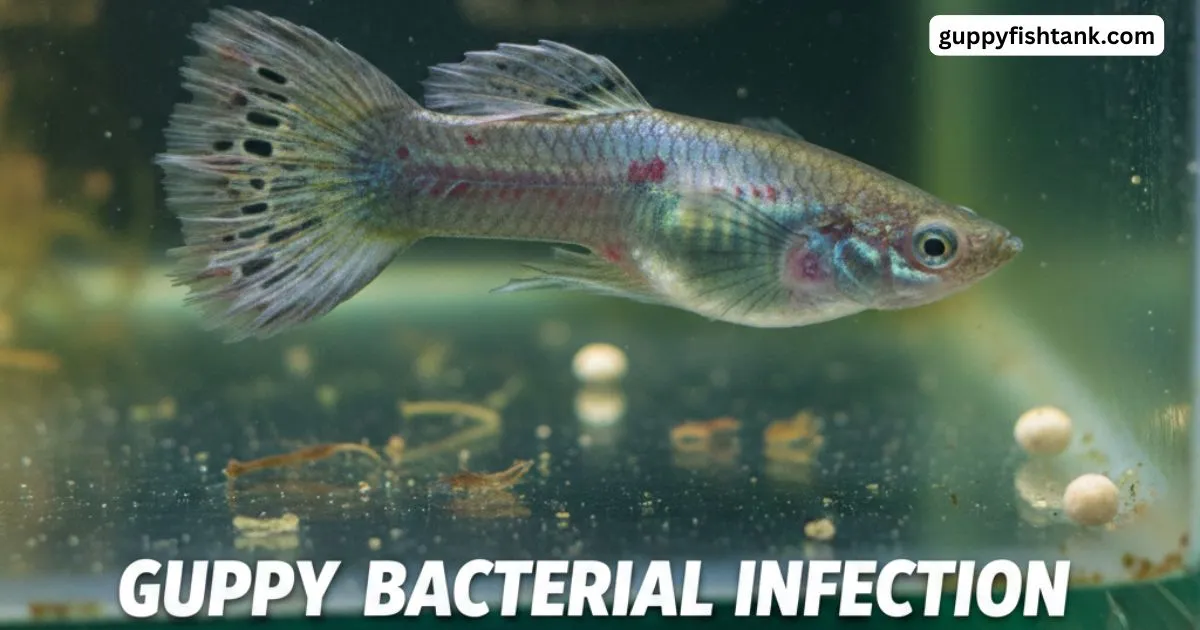
If you’ve ever peeked into a guppy tank and noticed your colorful little swimmers acting off, hiding, swimming oddly, or looking dull, it might be more than a bad mood. Guppy bacterial infections are surprisingly common and can strike fast, turning a happy tank into a stressful one. But don’t panic! With the right know-how, you can spot the signs early, understand what’s causing the trouble, and take action before it spreads. In this guide, we’ll break down everything you need to know about symptoms, causes, and treatments for guppy bacterial infections, all in simple, easy-to-follow steps.
Understanding the Basics
Guppies may be small, but their health is a big deal. To keep them thriving, it’s important to understand what makes them tick and what can make them sick. Let’s dive into the basics of guppy health so you can spot problems early and keep your tank a happy, disease-free zone.
What Makes Guppies Susceptible to Diseases?
Guppies are hardy little fish, but they’re not invincible. Stress is one of the biggest culprits when it comes to guppy illnesses. Overcrowded tanks, sudden temperature changes, or poor water quality can weaken their immune systems, making them easy targets for diseases like ich, fin rot, and velvet disease. Even something as simple as introducing a new fish without quarantining it can bring unwanted bacteria or parasites into your tank.
How to Recognize a Healthy Guppy
A healthy guppy is a happy guppy! Look for bright, vibrant colors, active swimming, and a hearty appetite. Their fins should be fully spread, not clamped against their bodies, and their scales should look smooth and shiny. If your guppies are hiding, gasping at the surface, or showing signs of discoloration, it’s time to investigate.
Why Prevention is Better Than Cure
Here’s the good news: most guppy diseases are preventable. Regular water changes, a balanced diet, and a stress-free environment can work wonders. Think of it like this: if you keep their “home” clean and cozy, they’ll have fewer reasons to get sick. Prevention not only saves you time and money but also keeps your guppies swimming happily.
Deep Dive into Guppy Diseases
Guppy diseases can be tricky, but understanding them is the first step to keeping your fish healthy. Let’s break down the most common illnesses, their symptoms, and how to handle them like a pro.
Bacterial Diseases
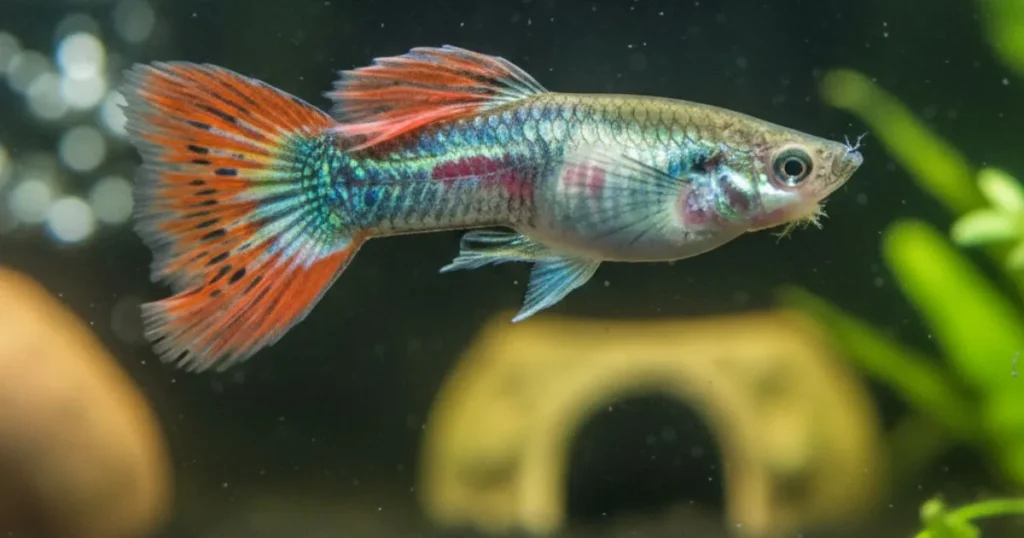
Bacterial infections are a common issue in guppies, especially in tanks with poor water quality. Diseases like fin rot and columnaris can cause frayed fins, white patches, or even lethargy. Popeye, another bacterial condition, leads to swollen, bulging eyes. The good news? These can often be treated with antibiotics and improved tank conditions.
Parasitic Diseases
Parasites are sneaky little troublemakers. Ich, also known as white spot disease, is one of the most common. It looks like tiny grains of salt on your guppy’s body and fins. Velvet disease, on the other hand, gives your fish a gold-dust-like appearance. Both can be treated with medications and by raising the tank’s temperature slightly. Don’t forget to quarantine new fish to prevent these parasites from hitching a ride into your tank.
Fungal Diseases
Fungal infections, like mouth fungus, often appear as cotton-like growths around the mouth or fins. These infections usually strike when your guppy’s immune system is already weakened. Antifungal treatments and clean water can help your guppies bounce back.
Other Conditions
Some diseases don’t fit neatly into one category. Dropsy, for example, causes bloating and pinecone-like scales, while swim bladder disorder affects your guppy’s ability to swim properly. These conditions often require a mix of treatments, from dietary changes to medications.
By understanding these diseases and their symptoms, you’ll be better equipped to act quickly and keep your guppies healthy. Up next, we’ll explore innovative treatments and solutions to tackle these issues head-on!
Innovative Treatments and Solutions
When your guppies fall ill, knowing how to act quickly and effectively can make all the difference. Let’s explore some innovative treatments and practical solutions to tackle guppy diseases head-on.
What Are the Latest Advances in Guppy Disease Treatments?
The world of fish care is constantly evolving, and new treatments are making it easier to save your guppies. For bacterial infections like fin rot or columnaris, advanced antibiotics such as kanamycin and erythromycin are highly effective. For parasites like ich or velvet disease, copper-based medications and formalin treatments are game-changers. These solutions are designed to target specific issues while being safe for your guppies when used correctly.
Also Read: The Complete Beginner’s Guide to Guppy Fish Care
DIY Remedies for Common Guppy Ailments
Sometimes, the best solutions are already in your home. For minor issues like swim bladder disorder, fasting your guppy for 24 hours and feeding them a peeled, blanched pea can work wonders. Salt baths are another simple yet effective remedy for fungal infections or mild bacterial issues. Just dissolve aquarium salt in a separate tank and let your guppy soak for a few minutes; it’s like a spa day for fish!
When to Consult a Veterinarian or Expert
Not every problem can be solved with a quick fix. If your guppy’s condition doesn’t improve after treatment or if symptoms worsen, it’s time to call in the pros. A fish health expert or veterinarian can provide tailored advice and advanced care, ensuring your guppy gets the best chance at recovery.
By combining cutting-edge treatments with tried-and-true remedies, you’ll be well-equipped to handle any guppy health crisis. Next, we’ll delve into prevention strategies to keep your guppies happy and healthy in the long term.
Prevention Strategies
The best way to keep your guppies healthy is to stop diseases before they start. Prevention isn’t just easier, it’s also the key to a stress-free, thriving aquarium. Let’s explore some simple yet powerful strategies to keep your guppies in tip-top shape.
The Ultimate Checklist for Disease Prevention
Prevention starts with a clean and stable environment. Here’s your go-to checklist:
- Regular Water Changes: Replace 20–30% of the water weekly to remove toxins and keep the tank fresh.
- Monitor Water Quality: Use test kits to check ammonia, nitrite, and nitrate levels. Aim for zero ammonia and nitrite, and keep nitrates below 20 ppm.
- Stable Temperature: Keep the water between 78–82°F and avoid sudden changes.
- Quarantine New Fish: Always isolate new fish for 2–4 weeks before adding them to your main tank.
How to Set Up a Disease-Free Guppy Tank
Creating the perfect home for your guppies is easier than you think. Start with a spacious tank (at least 10 gallons for a small group) and add a reliable filter and heater. Include live plants and hiding spots to reduce stress. Avoid overcrowding, stick to the rule of one gallon per guppy.
The Role of Nutrition in Disease Prevention
A healthy diet is your guppies’ first line of defense. Feed them high-quality flakes or pellets specifically designed for tropical fish, and supplement with live or frozen treats like brine shrimp or daphnia. Don’t forget the occasional blanched veggie, like spinach or peas, for added fiber.
By following these prevention strategies, you’ll create a safe, happy environment where your guppies can thrive. Up next, we’ll tackle some unique and often-overlooked topics to take your guppy care to the next level!
Unique and Missing Topics
When it comes to guppy care, there are some topics that often get overlooked but can make a huge difference in keeping your fish healthy and happy. Let’s dive into these unique and essential areas to take your guppy expertise to the next level.
How to Quarantine New Fish Effectively
Quarantining new fish is like giving them a health check before they meet the rest of the family. Set up a small, separate tank with clean water, a heater, and a filter. Keep the new fish there for 2–4 weeks and watch for any signs of illness like spots, clamped fins, or unusual behavior. This simple step can prevent diseases like ich or velvet from spreading to your main tank.
Can Guppies Get Sick from Other Fish?
Yes, they can! Diseases like fin rot, ich, and parasites can easily jump from one species to another. That’s why it’s important to choose tank mates carefully. Avoid aggressive fish that might stress or injure your guppies, and always quarantine new additions to the tank.
The Impact of Seasonal Changes on Guppy Health
Did you know that seasonal changes can affect your guppies? In colder months, room temperatures can drop, causing water temperatures to fluctuate. Use a reliable heater to maintain a stable environment. During summer, keep an eye on overheating and ensure proper aeration to keep oxygen levels high.
FAQs
Why Do My Guppies Keep Getting Sick?
If your guppies seem to fall ill often, it’s time to play detective. The usual suspects include poor water quality, overcrowding, and stress. Check your tank’s ammonia, nitrite, and nitrate levels; these should be at zero or very low. Overfeeding can also lead to leftover food rotting in the tank, which creates harmful toxins. Lastly, make sure your guppies have enough space and aren’t being bullied by aggressive tank mates.
What Are the Most Overlooked Causes of Guppy Diseases?
Sometimes, it’s the little things that slip through the cracks. For example, sudden temperature changes can shock your guppies and weaken their immune systems. Another common issue is skipping quarantine for new fish, which can introduce diseases like ich or velvet into your tank. Even decorations with sharp edges can cause injuries that lead to infections. Paying attention to these details can make a big difference.
How Can I Tell If My Guppy Is Stressed?
Stress in guppies often shows up as clamped fins, hiding, or erratic swimming. They might also lose their vibrant colors or stop eating. To reduce stress, keep the water clean, maintain a stable temperature, and provide plenty of hiding spots with plants or decorations.
Conclusion
Caring for guppies is a rewarding journey, but it comes with its fair share of challenges. By now, you’ve learned how to identify common guppy diseases, treat them effectively, and most importantly, prevent them from happening in the first place. Let’s wrap things up with some final tips to keep your guppies thriving.
Final Tips for Keeping Your Guppies Healthy
- Stay Consistent: Regular water changes, stable temperatures, and a balanced diet are the foundation of guppy health. Stick to a routine, and your guppies will thank you.
- Observe Daily: Take a few minutes each day to watch your guppies. Are they swimming actively? Eating well? Showing off their vibrant colors? Early detection of issues can save lives.
- Don’t Skip Quarantine: Always quarantine new fish before adding them to your tank. It’s a small step that can prevent big problems.
Call to Action: Share Your Guppy Journey
Your guppies are unique, and so is your experience as a fish keeper. Have a question we didn’t cover? Or maybe you’ve discovered a tip that works wonders for your guppies? Share your thoughts, questions, or success stories in the comments below. Let’s build a community of guppy enthusiasts who can learn from and support each other.
Remember, healthy guppies aren’t just about clean water and good food; they’re about creating a stress-free, happy environment where they can thrive. With the knowledge you’ve gained, you’re well on your way to becoming a guppy care expert. Now, go enjoy your beautiful, lively aquarium. You’ve earned it!