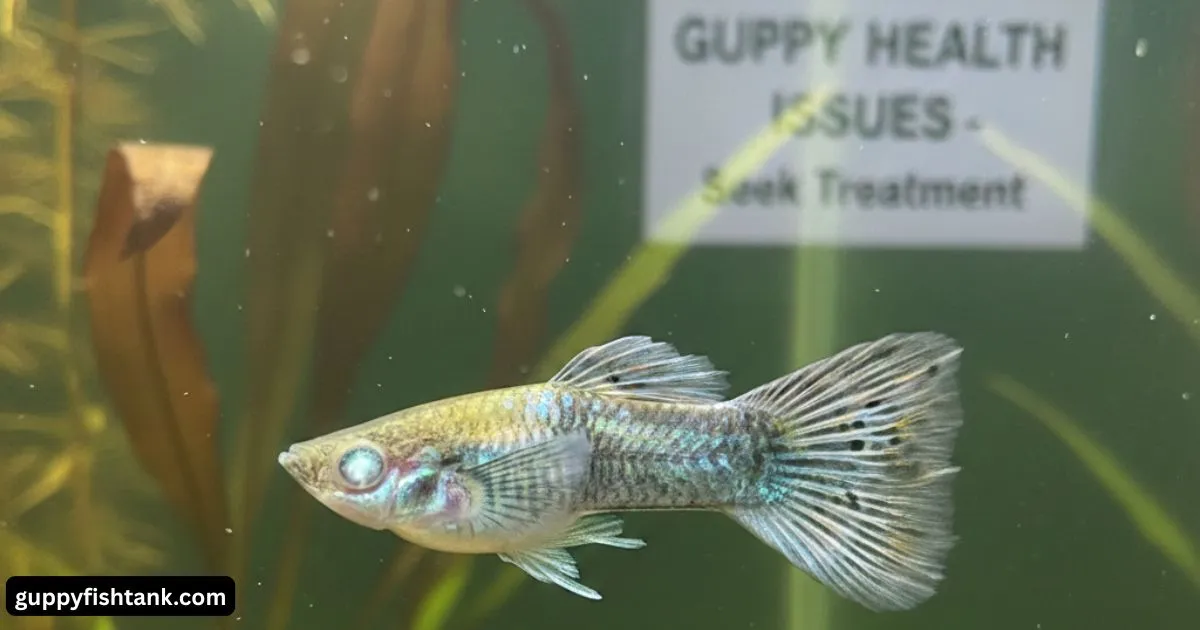
Guppy health problems can be stressful, especially when your colorful little fish suddenly start acting strange. From fin rot and fungus to swim bladder issues, guppies can face several common illnesses. The good news is that most problems are treatable if you notice the signs early. In this guide, we’ll talk about common guppy health problems, their symptoms, and simple steps you can take to keep your guppies happy, active, and healthy in your aquarium.
Understanding Guppy Health
To keep your guppies in top shape, it helps to know what a healthy fish looks like and what makes them vulnerable. Think of it as being a guppy detective! Knowing the basics of guppy health makes it much easier to spot when something is wrong.
Common Traits of Healthy Guppies
A happy, healthy guppy is a busy one. Look for fish that are actively swimming around the tank, exploring their surroundings. Their colors should be bright and vibrant, and their fins should be fanned out, not clamped against their body. Healthy guppies also have a great appetite and will eagerly come up for food during feeding time. Their bodies should be free of spots, sores, or strange growths.
Why Are Guppies Prone to Diseases? (Exploring Genetics and Immune Systems)
Have you ever wondered why guppies seem to get sick more easily than other fish? It often comes down to their genetics. Many fancy guppies have been bred for generations to get those beautiful colors and long, flowing tails. While this makes them look stunning, it can also weaken their guppy’s immune system. This means they are not as tough as their wild relatives and are more likely to catch guppy diseases.
How Stress Impacts Guppy Health
Just like people, guppies can get stressed out, and stress is a major trigger for illness. Things like poor water quality, a crowded tank, or aggressive tank mates can make a guppy feel unsafe. When a guppy is stressed, its body’s defenses get weaker, making it easier for nasty germs and parasites to take hold. A calm, clean home is key to good guppy health.
Common Guppy Diseases and Their Symptoms
Knowing what to look for is half the battle when it comes to keeping your fish healthy. Let’s explore three common guppy diseases so you can spot them early and save the day!
Velvet Disease: The Gold Dust Threat
Imagine if your colorful fish suddenly looked like it was sprinkled with fine gold dust. That’s Velvet Disease. It’s caused by a tiny parasite that latches onto your fish’s skin. At first, you might not even see the “dust,” but you might notice your guppy rubbing its body against rocks or plants, trying to scratch an itch. If you shine a flashlight on them, that gold or rust-colored dust becomes easier to see. Caught early, it’s treatable, but you have to act fast!
Ich (White Spot Disease): Causes and Symptoms
Ich is probably the most famous fish illness out there. It looks exactly like someone sprinkled salt all over your guppy’s body and fins. These little white spots are actually parasites digging into the skin. Besides looking like a salted pretzel, your fish might clamp its fins tight against its body or hide in the corner. Ich usually strikes when fish are stressed or if the water gets too cold, so keeping the tank warm and clean is a great way to prevent it.
Dropsy: The Silent Killer
Dropsy is a scary one because it’s not really a disease itself, but a sign that something is wrong inside the fish’s body. It usually means the kidneys aren’t working right, causing the belly to swell up with fluid. When this happens, the scales stick out like a pinecone. Sadly, by the time you see the “pinecone” look, it’s often very serious. Keeping your water super clean is the best way to stop Dropsy before it starts.
Prevention is Better Than Cure
Everyone knows the saying “an apple a day keeps the doctor away,” right? Well, the same idea applies to your fish! Stopping sickness before it starts is way easier than trying to fix it later. By following a few simple habits, you can keep your tank a happy, healthy paradise.
How to Maintain a Disease-Free Guppy Tank
Think of your fish tank like your bedroom. If you never cleaned your room, it would get pretty gross, right? A clean tank is the best defense against illness. Regular maintenance is key! Try to clean the gravel and change about 25% of the water once a week. This removes leftover food and fish waste that can make the water toxic. Also, remember to wash your hands before putting them in the tank. We don’t want to bring any outside germs into their home!
The Role of Water Quality in Guppy Health
Water is to fish what air is to us. If the air is full of smoke, we cough and get sick. If the water is dirty, guppies get sick. Good water quality means the water is clean and has the right balance of chemicals. You can use a simple test kit from the pet store to check for invisible bad guys like ammonia. Keeping the temperature steady (around 74-82°F) is also super important. Sudden temperature changes can shock your fish and weaken their immune systems.
Stress Management for Guppies: Tips and Tricks
Did you know fish can get stressed? It’s true! Loud noises, tapping on the glass, or having nowhere to hide can make your guppies nervous. A stressed fish is a sickly fish. To keep them calm, give them plenty of hiding spots with plants or caves. Also, make sure their tank mates are friendly. Bullies will stress out your gentle guppies very quickly. A peaceful tank equals a healthy fish!
Treatment Options for Guppy Diseases
So, you’ve spotted a sick fish. Don’t panic! Acting quickly can make all the difference. Think of yourself as a fish doctor. With the right care, you can help your little buddy feel better in no time. Let’s look at some ways to treat common guppy problems.
Medications and Remedies for Common Diseases
When your guppy is sick, special fish medicine can be a lifesaver. You can find these remedies at most pet stores. For problems like Ich or Velvet Disease, there are specific treatments you can add to the water. For fin rot, an antibacterial medicine often works wonders. It’s very important to follow the instructions on the package exactly. Using too much or too little medicine won’t help and could even make things worse. Always remove any carbon from your filter before adding medication, as it can soak up the medicine.
Natural Remedies: Are They Effective?
Sometimes, a simple, natural approach can help, especially if you catch the problem early. One of the oldest tricks in the book is using aquarium salt. A little bit of salt can help reduce stress and fight off some parasites. Raising the water temperature a few degrees can also speed up the life cycle of parasites like Ich, helping the medicine work faster. These methods are great helpers, but for serious illnesses, you’ll likely still need proper fish medication.
How to Set Up a Quarantine Tank for Sick Guppies
A quarantine tank, or “hospital tank,” is a small, separate tank where you can treat a sick fish. This is important for two reasons: it stops the disease from spreading to your other fish, and it allows you to treat just the sick one. A simple 5-gallon tank is perfect. You don’t need gravel, just a heater and a simple filter. This clean, separate space gives your guppy a calm place to recover without bothering its tank mates.
Advanced Care Tips
Ready to level up your fish-keeping skills? Once you’ve mastered the basics, there are a few pro tips that can make a huge difference in your tank. These advanced tricks will help you spot problems before they start and keep your underwater world thriving.
How to Spot Early Signs of Guppy Illness
You know how sometimes you just feel “off” before you actually get sick? Fish are the same way! Catching these tiny clues early can save your guppy’s life. Instead of waiting for big spots or sores, look for subtle changes in behavior. Is your usually active guppy hiding in the corner? Are they spitting out their food? Maybe they are swimming a little lopsided. These are often the very first whispers of trouble. If you notice these signs, check your water quality immediately!
Also Read: Guppy Fungus Treatment Quick Guide to Healthy Fish
The Role of Live Plants in Guppy Health
Plastic plants are okay, but live plants are like a superpower for your tank! Think of them as natural air purifiers. Live plants soak up bad chemicals like nitrates from the water, which helps keep your fish healthy. They also provide soft, safe hiding spots that reduce stress (and we know stress makes fish sick!). Plus, they create a more natural home that mimics the wild rivers where guppies come from. Even simple plants like Java Fern or Anubias can make a big difference.
Guppy Breeding and Health Risks: What You Need to Know
Baby guppies are adorable, but breeding can be tough on the parents. Female guppies work very hard to grow those babies, and it takes a lot of energy. After giving birth, a mama guppy’s immune system can be weak, making her more likely to catch diseases. If you plan to breed them, make sure the moms get extra nutritious food and plenty of rest in a quiet tank. Keeping the parents strong is the secret to healthy babies!
FAQs
What Are the First Signs of a Sick Guppy?
Great question! Catching sickness early is the best way to save your fishy friend. Usually, a sick guppy will act differently than normal before they actually look sick.
Watch out for a fish that stops eating or spits its food out. You should also look closely at their swimming. Are they wobbling, swimming sideways, or struggling to stay upright? Another big clue is hiding. If your usually social guppy is suddenly hanging out alone behind a plant or sitting at the bottom of the tank, something might be wrong. Also, keep an eye on their fins if they are clamped tight against their body instead of fanned out; that is a sign they are stressed or not feeling well.
How Often Should I Clean My Guppy Tank?
Keeping the tank clean is super important, but you don’t need to scrub it every single day! In fact, cleaning too much can actually hurt the good bacteria that live in your filter.
Ideally, you should do a partial water change once a week. This means taking out about 25% of the water (that’s one-quarter) and replacing it with fresh, treated water. While you are at it, use a gravel vacuum to suck up any poop or leftover food from the bottom. If your tank has a good filter and isn’t too crowded, this weekly routine is perfect for keeping the water safe and your guppies happy!
Conclusion
Congratulations! You’ve made it to the end of our guide, and you are now officially a guppy health expert. Taking care of these colorful little swimmers is a big responsibility, but seeing them happy and active makes it all worth it. Remember, you don’t need to be a scientist to be a great fish keeper; you just need to care and pay attention.
Building a Healthy Environment for Your Guppies
Think about your favorite place to relax. It’s probably clean, safe, and comfortable, right? That’s exactly what your guppies need, too. The secret to keeping them disease-free isn’t magic medicine; it’s a happy home. By keeping their water clean, giving them good food, and making sure they have friends who play nicely, you are building a fortress against sickness. When their home is healthy, their immune systems stay strong, and they can fight off germs all on their own.
Final Tips for Long-Term Guppy Care
Before you go, here are a few last secrets to keep your tank thriving for years to come. First, always wash your hands before and after working in the tank. Second, don’t overfeed them! It’s tempting because they always look hungry, but too much food makes the water dirty fast. Finally, spend time just watching them every day. Not only is it relaxing for you, but it’s also the best way to spot if someone is acting a little strange. You’ve got this! Go enjoy your beautiful, healthy underwater world.