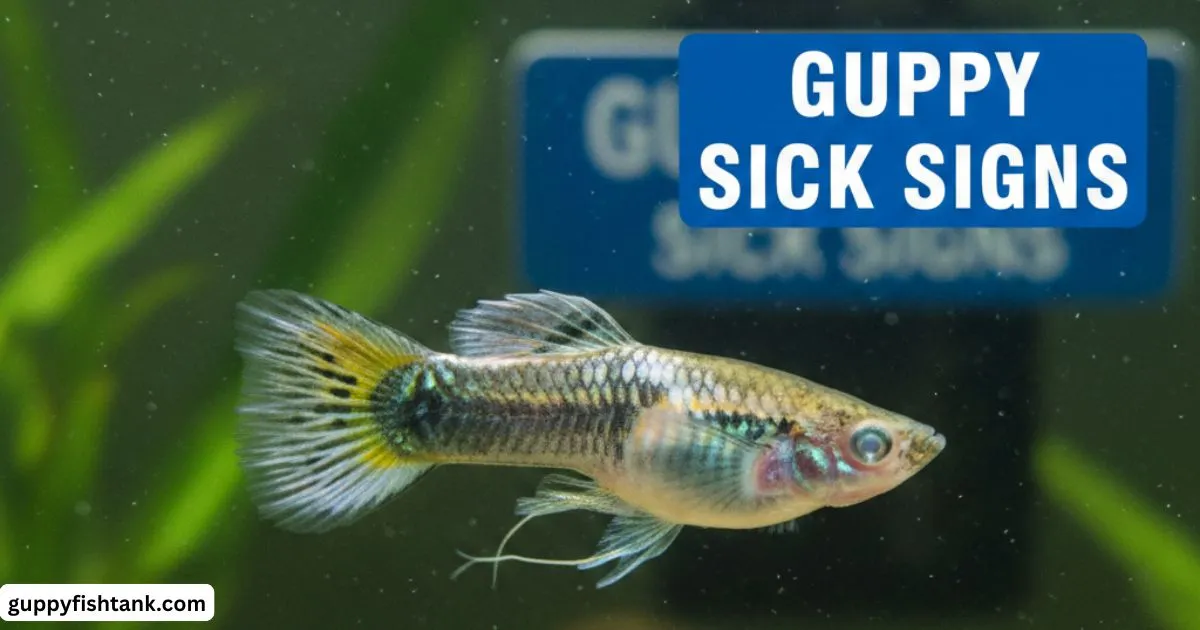
If you notice something unusual in your fish tank, understanding a guppy’s sick signs early can save your little swimmer’s life. Guppies are active and colorful fish, so any change in behavior, appetite, or appearance should not be ignored. In this blog, we’ll talk about the most common guppy sick signs, what they mean, and how you can quickly respond to keep your fish healthy and happy.
The Basics of Guppy Care
Before we dive into treating sickness, let’s talk about preventing it. Think of this as building a fortress of health for your little buddies. A happy home stops most problems before they even start!
Setting Up the Perfect Guppy Tank
First rule: No tiny bowls! Imagine living in a closet, not very fun, right? Guppies are active swimmers and need room to zoom around. Aim for a tank that holds at least 5 to 10 gallons. They also love having places to hide, so adding some live plants or little caves makes them feel safe and secure when they want a nap.
Water Parameters: Temperature, pH, and Filtration
Think of the water as your fish’s air. If it’s dirty or the wrong temperature, they get stressed out fast. Guppies are tropical fish, which means they like it warm. Keep their heater set to the “Goldilocks” zone between 74°F and 82°F.
You also absolutely need a filter. It acts like a 24/7 maid, cleaning up waste and keeping the water safe. Just remember to check the water occasionally to keep the pH balanced (around 7.0 is great).
The Ideal Diet for Vibrant Guppies
You wouldn’t want to eat dry toast every day, and neither do your fish! To keep their colors bright and their immune systems strong, variety is key. High-quality flakes are great for daily meals, but treat them to frozen snacks like bloodworms or brine shrimp sometimes.
Just remember the golden rule: only feed them what they can eat in two minutes. Overfeeding makes the tank messy and can actually make your fish sick!
Spotting the Signs of Trouble
You know your fish better than anyone. You watch them zip around during feeding time and chase each other through the plants. That’s why you are the best detective when it comes to their health! Spotting changes early is the key to saving your little buddy’s life.
Behavioral Red Flags: Lethargy, Hiding, and Erratic Swimming
Fish behavior tells a story. A healthy guppy is active, curious, and usually hungry! If your fish suddenly stops eating or spends all day hiding behind a rock, something is wrong.
Watch out for “lethargy,” which is a fancy word for being super tired and lazy. If they are hovering near the bottom or floating near the top without moving much, that’s a red flag. Also, look for erratic swimming. If they are swimming sideways, rubbing against gravel (we call this “flashing”), or struggling to stay upright, they are asking for help.
Physical Symptoms: Discoloration, Bloating, and Lesions
Sometimes the signs are right on their bodies. Guppies are famous for their beautiful colors, so if those colors start to fade or turn gray, pay attention.
Look closely at their fins and skin. Do you see any white spots that look like salt? Are their fins ragged or torn? Another scary sign is bloating, where their belly gets huge, and their scales stick out like a pinecone. Red sores or “lesions” are also big warning signs that an infection has set in.
How Can I Tell If My Guppy is Stressed?
Believe it or not, fish get stressed just like we do! But instead of biting their nails, they clamp their fins tight against their bodies.
Rapid breathing is another major clue. If their gills are pumping fast or they are gasping for air at the surface, the water might be bad, or they might be scared. A stressed fish is a fish that can get sick easily, so keeping them calm is half the battle!
Comprehensive Guide to Guppy Diseases
Now for the tough part. Nobody likes thinking about their pets getting sick, but knowing the enemy is half the battle! These diseases might sound scary, but with a keen eye and quick action, you can often save the day.
Ich: The Most Common Guppy Disease
If your guppy looks like someone sprinkled salt all over them, it’s probably “Ich” (pronounced like ick yuck, right?). This is a tiny parasite that burrows into their skin. You might see your fish scratching themselves against rocks because, well, they’re itchy!
The fix? Raise the water temperature slowly to about 82°F and use an Ich medication from the pet store. It’s like giving them a warm bath and some medicine to kick those parasites out.
Velvet Disease: Symptoms and Treatment
Velvet is sneaky. It looks like a fine, gold, or rust-colored dust on your fish’s skin. Because it’s so small, it can be hard to see until you shine a flashlight on it. Your guppy might clamp their fins shut and act super tired.
This one is contagious, so you need to act fast! Turn off the aquarium lights (the parasite loves light) and use a copper-based medicine. Think of it as putting the parasite in the dark so it can’t grow.
Dropsy: A Silent Killer
This one is serious. Dropsy isn’t actually a disease itself, but a symptom of a bad internal infection. The most obvious sign is a swollen belly that makes the scales stick out like a pinecone.
Sadly, Dropsy is very hard to cure. If you catch it super early, special antibiotic food might help. The best defense here is keeping that tank water sparkling clean so they never get sick in the first place!
Preventing Illness in Your Guppy Tank
Okay, real talk: keeping fish healthy is way easier than trying to fix them when they’re sick. Think of prevention like brushing your teeth; you do it every day, so you don’t get cavities later. It’s the same for your tank! A clean, safe home means happy, bouncy guppies.
Also Read: Guppy Fungus Treatment Quick Guide to Healthy Fish
The Importance of Regular Tank Maintenance
I know, cleaning isn’t the most fun part of having a pet, but it’s a total game-changer. You don’t need to scrub the tank daily! Just do a partial water change once a week. This means taking out about 20-30% of the old water and replacing it with fresh, treated water.
Why? Because fish poop and leftover food turn into invisible toxins (like ammonia) that burn your fish’s gills. A clean tank is literally a breath of fresh air for them!
How to Quarantine New Fish Effectively
This is the secret pro tip that saves lives. When you bring a new fish home, don’t just plop them into your main tank immediately. They might be carrying germs that could make everyone else sick!
Instead, set up a small “quarantine tank” (a temporary home) for 2 to 4 weeks. Watch them closely. If they stay healthy and happy, they’ve earned their ticket to the big tank. It’s like a safety check before joining the party.
Stress Management: Creating a Safe Environment
Did you know fish get stressed out? Loud noises, tapping on the glass, or having nowhere to hide can make them super anxious. And just like us, stress weakens their immune system.
Give them lots of plants or little caves to hide in when they need a break. Keep the lights on a schedule so they get plenty of sleep. A calm fish is a tough fish that can fight off germs like a superhero!
Advanced Tips for Guppy Enthusiasts
Ready to level up your guppy game? Once you’ve mastered the basics, you can start exploring some advanced tricks to make your tank a true five-star resort. These tips will not only help your fish thrive but will also make your aquarium look even more amazing.
Using Natural Remedies for Guppy Health
Sometimes, nature knows best. Before reaching for strong medicines, a few natural remedies can work wonders for minor issues. Aquarium salt is a classic. A small, controlled dose can help heal small scrapes, reduce stress, and even fight off certain parasites. It’s like a soothing spa treatment for your fish! Another great addition is Indian Almond Leaves. As they break down, they release compounds that can calm fish and slightly lower the pH, creating a more natural environment.
How to Identify and Remove Harmful Parasites
We’ve talked about Ich, but other unwelcome guests can sneak into your tank. Look out for tiny anchor worms or fish lice attached to your guppy’s body. They look like tiny threads or dots. If you spot one, you’ll need to act fast. Specialized parasite medications are available to treat the whole tank. The key is careful observation during your daily check-ins so you can catch these critters before they spread.
The Benefits of Adding Live Plants to Your Aquarium
Fake plants are fine, but live plants are fantastic! They act as a natural filtration system, absorbing harmful nitrates and releasing fresh oxygen. Plants also give your guppies and their babies plenty of places to hide, which makes them feel safe and reduces stress. Plus, they look beautiful and create a mini-ecosystem right in your living room! Options like Java Fern or Anubias are super easy to care for and are perfect for beginners.
Conclusion
Congratulations! You’ve made it to the end, which means you’re already a better guppy owner than you were ten minutes ago. Caring for these colorful little swimmers isn’t just about feeding them flakes and watching them zoom around. It’s about building a safe, happy world where they can thrive.
By learning to spot the early warning signs and keeping their home clean, you’re giving your fish the best possible life. Remember, you don’t need to be a scientist to be a great fish keeper; you just need to care and pay attention.
A Checklist for Healthy, Happy Guppies
Before you go, here’s a quick “cheat sheet” to keep your tank in tip-top shape. Print this out or stick it on your fridge!
- Check the Water: Test it weekly to make sure the “invisible stuff” (like ammonia and pH) is safe.
- Watch the Temperature: Keep the heater steady between 74°F and 82°F.
- Observe Daily: Spend five minutes just watching them swim. Are they active? Are they eating?
- Feed Wisely: Only give them what they can eat in two minutes. No leftovers allowed!
- Clean Regularly: Do that partial water change once a week. Your fish will thank you.
When to Seek Professional Help for Your Guppy
Sometimes, despite your best efforts, things get tricky. If you’ve tried the medicines we talked about and your fish isn’t getting better, or if lots of fish get sick at once, it’s time to call in the pros.
Don’t be afraid to visit your local aquarium shop or ask an expert online. There are amazing vets who specialize in fish, too! Asking for help isn’t giving up; it’s being a responsible pet parent.
Your guppies bring so much life and color to your home. With a little love and care, they’ll keep swimming happily for a long time. You’ve got this!