Tiny things can make a big difference, and seed shrimp prove it. If you think these little tank critters are just random specks floating around, you’re in for a surprise. Seed shrimp, also called tiny freshwater cleaners, quietly work behind the scenes to keep your aquarium healthier, cleaner, and more balanced. In just 3 powerful ways, cleaning waste, feeding fish, and improving water quality, they can transform a struggling tank into a thriving underwater world. Whether you’re new to fishkeeping or a seasoned hobbyist, you’ll be amazed at how these humble helpers can save you time, reduce stress, and make your tank sparkle with life.
What Are Seed Shrimp?
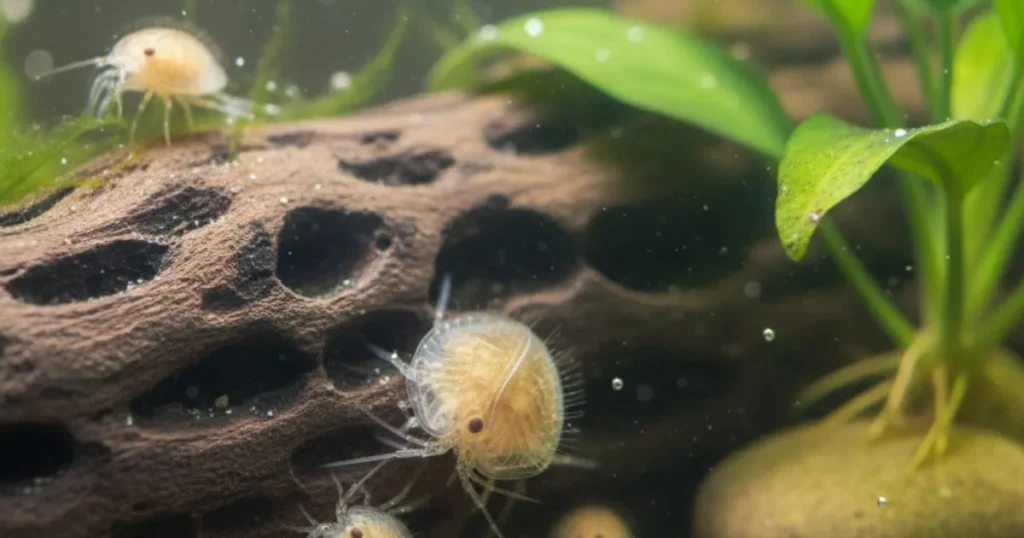
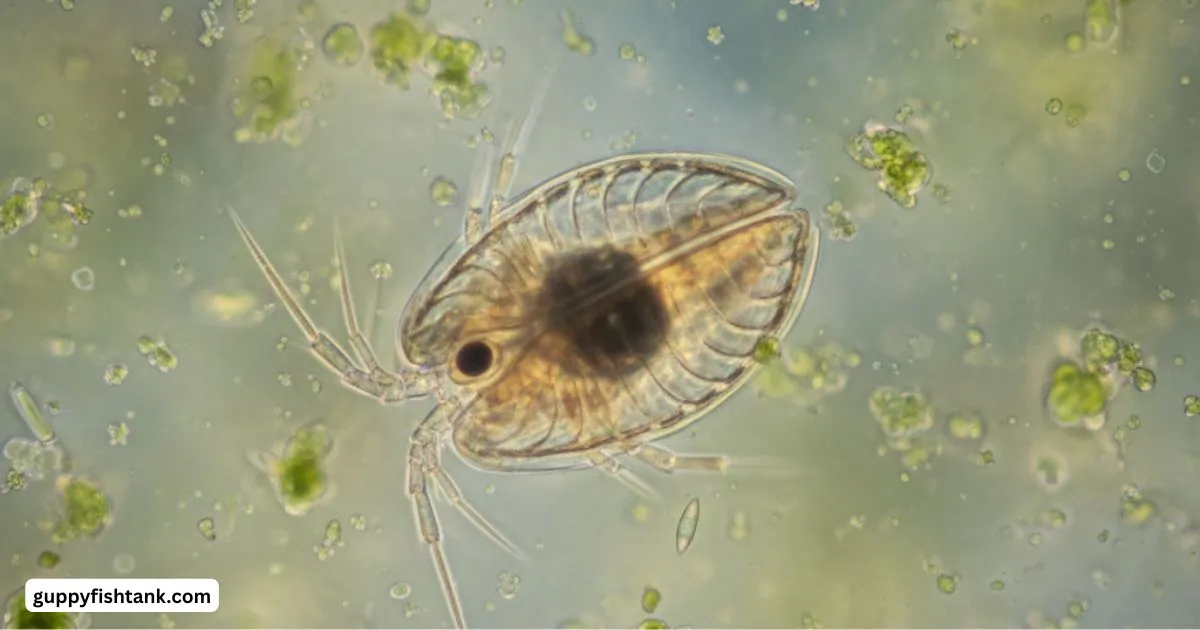
So, what exactly are these mysterious specks? Seed shrimp, known to scientists as Ostracoda, are tiny crustaceans. That means they are distant relatives of crabs, lobsters, and the larger shrimp you’re more familiar with. They get their name because they look like little seeds, often round or egg shaped, zipping through the water. Most are so small you could fit several on the head of a pin, usually measuring between 0.2 and 1 millimeter.
One of the coolest things about them is their unique shell. It’s made of two hinged parts, kind of like a miniature clam. This shell protects their soft body inside. But here’s a really neat trick: they don’t have gills like fish or other shrimp. Instead, they absorb oxygen directly through special plates on their shells. This amazing adaptation allows them to live in all sorts of water, from freshwater tanks to salty ponds. They are found all over the world, showing just how tough and adaptable these little guys are.
Why Are Seed Shrimp Important for Aquariums?
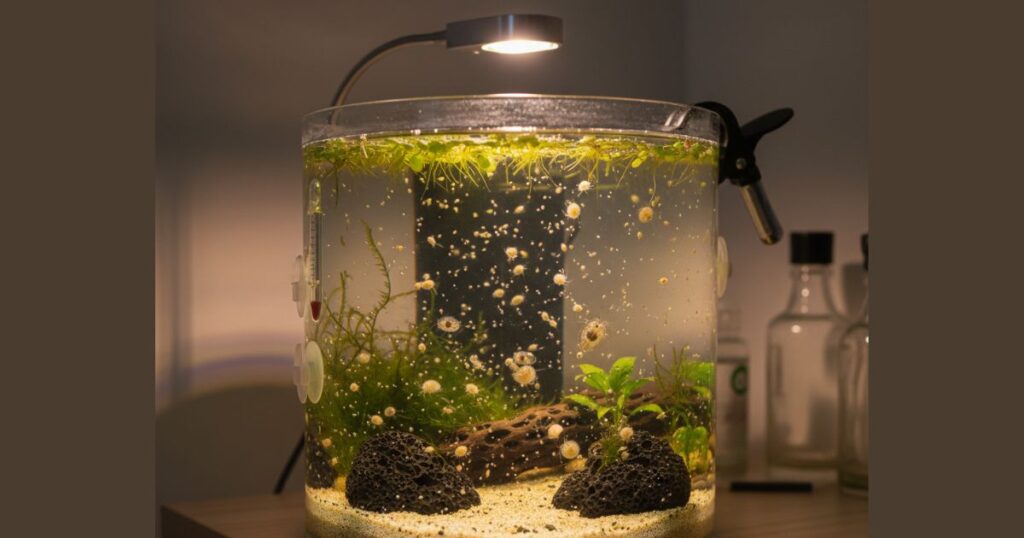
Think of your aquarium as a tiny, self contained world. For this world to thrive, it needs balance. Everything from the fish and plants to the bacteria in the filter plays a role. Seed shrimp are a fantastic addition to this balance, contributing to the overall ecological health of your tank.
Their presence adds to the biodiversity in your aquarium. A diverse ecosystem is a strong ecosystem. When you have different types of life, from fish down to microorganisms, your tank is better equipped to handle changes, like a small spike in ammonia or leftover food. They fit perfectly into the aquatic food chain, serving as a natural food source for some inhabitants while cleaning up after others. By performing these essential jobs, they help create a more stable and self sufficient environment, making your job as an aquarium keeper much easier.
Are Seed Shrimp Pests or Beneficial?
This is the big question many people ask: are seed shrimp pests or beneficial? The answer is a resounding “beneficial!” The myth that they are pests comes from seeing them gather on tank glass or decorations, leading people to worry they will take over. But the truth is, they are harmless and incredibly helpful.
One common fear is that they will eat healthy plants. Let’s clear that up right now: seed shrimp do not eat healthy, living plants. They are detritivores, which is a fancy word for creatures that eat decaying stuff. They are only interested in plant matter that is already rotting or dead. So, if you see them on a plant, they are actually doing you a favor by cleaning up a dying leaf before it can foul up your water. They are nature’s tiny gardeners, pruning away the old to make way for the new.
The Unexpected Benefits of Seed Shrimp
Now let’s dive into the really good stuff. Having a colony of these critters in your tank comes with some amazing, unexpected benefits that can transform your aquarium care routine.
First, they are a fantastic natural food source. Many small to medium sized fish, like guppies, platies, and corydoras catfish, absolutely love to hunt and eat them. Watching your fish snack on live food is not only entertaining but also great for their health. Live food encourages natural hunting behaviors and provides nutrients that might be missing from dried flakes or pellets. It’s like giving your fish a healthy, fun, and enriching treat that’s available 24/7.
Second, they are an amazing tank clean up crew. These little guys are filter feeders and detritus eaters, constantly working to keep your aquarium clean. They munch on leftover fish food, fish waste, and that ugly film of algae that can grow on surfaces. By consuming this organic detritus, they prevent it from breaking down and releasing harmful ammonia into the water. This natural algae control and waste management means a healthier environment for your fish and less scrubbing for you.
Finally, their presence is a great indicator of a healthy tank. Seed shrimp thrive when water parameters are stable and clean. If you see a healthy, active population in your aquarium, you can give yourself a pat on the back. It’s a sign that your maintenance routine is working and your aquatic ecosystem is in good shape. They are like a living, swimming report card for your water quality.
How to Encourage Seed Shrimp to Thrive in Your Aquarium
Convinced you want these helpers in your tank? The good news is that encouraging a healthy population is easy. In fact, you might already have them without realizing it, as their eggs can hitch a ride on new plants or with new fish.
To create a friendly environment for them, simply maintain a healthy, stable aquarium. They don’t need any special food; they will happily live off the leftover bits and pieces in your tank. They appreciate tanks with plenty of places to explore, like substrate, driftwood, and live plants. A well planted tank gives them surfaces to graze on and shelter to hide in.
The key is balance. Avoid over cleaning your tank. While you should still do regular water changes and gravel vacuuming, don’t try to make your tank perfectly sterile. Leaving a little bit of natural detritus in the substrate gives your seed shrimp a consistent food supply. Their population will often self regulate based on the amount of available food. If there’s a lot of waste, their numbers might grow. As they clean things up, their population will naturally shrink.
What to Do If Seed Shrimp Overpopulate?
Sometimes, you can have too much of a good thing. A sudden population boom of seed shrimp usually means there is an excess of food in the tank. This is often a sign of overfeeding your fish. While the seed shrimp themselves are not a problem, their numbers are telling you that you might need to adjust your feeding schedule.
The first step is to cut back on how much you feed your fish. Only give them what they can eat in a minute or two. This reduces the amount of leftover food that settles on the bottom, which is the primary food source for a population explosion.
If you want to reduce their numbers more actively, you can introduce some fish that see them as a tasty snack. As mentioned before, guppies, endlers, platies, and many types of loaches will happily hunt them down. This is a natural and effective way to manage their population while giving your fish a dietary boost. You can also use a fine mesh net to scoop some out during a water change. But remember, a visible population isn’t necessarily a bad thing; it’s just a sign of a productive mini ecosystem.
Read More: 5 Reasons You Need Copepods in Your Tank
Unique Benefits of Seed Shrimp in Natural Ponds
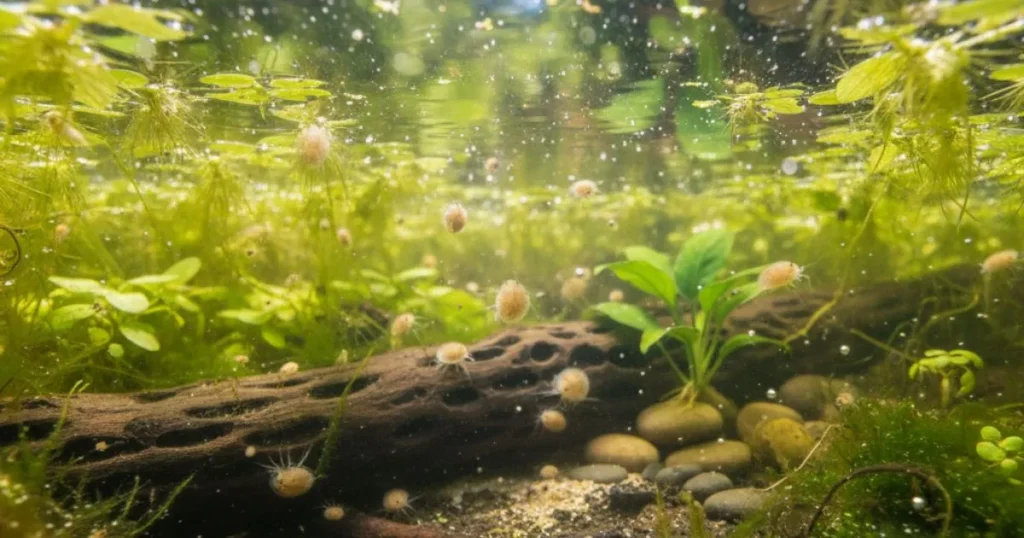
The benefits of these tiny crustaceans aren’t limited to indoor aquariums. They play an equally important role in outdoor natural ponds. In a larger ecosystem like a pond, they are a vital part of the food web. They serve as food for tadpoles, small fish, and aquatic insects.
Their skills as a clean up crew are also scaled up in a pond environment. They help break down falling leaves, algae, and other organic material that ends up in the water. This natural pond balance helps improve water clarity and reduces the buildup of muck on the bottom. By managing algae and waste, they contribute to a healthier pond for everything from fish to frogs and dragonflies.
FAQs
Do seed shrimp harm other aquatic life?
Absolutely not. Seed shrimp are completely harmless to fish, larger shrimp, snails, and healthy plants. They are scavengers, not predators. Their mouthparts are designed for scraping algae and eating soft, decaying matter. They are physically incapable of harming a healthy fish or even a tiny baby shrimp. In fact, they are more likely to become food than to cause any harm!
How can I tell if my tank is suitable for seed shrimp?
If your tank can support fish, it can almost certainly support seed shrimp. They are incredibly hardy. As long as your water is clean, cycled, and within a reasonable temperature range for your fish, they will feel right at home. The best sign that your tank is suitable is seeing them already living there. Their presence is proof that you’ve created a healthy, stable environment where life, both big and small, can flourish.
Beyond the Basics: Seed Shrimp in Sustainable Aquariums
As more people look for eco friendly ways to enjoy their hobbies, the role of creatures like seed shrimp becomes even more important. Embracing them in your tank is a step towards creating a more sustainable aquarium.
How? By providing a constant source of live food, they reduce your reliance on commercially produced, processed fish foods. This not only saves you money but also lessens the environmental impact associated with manufacturing and shipping those products.
Furthermore, their cleaning abilities help create a more self sufficient ecosystem. A tank with a healthy population of micro fauna requires less intensive cleaning and fewer chemical additives to control algae or waste. You are essentially creating a small, natural ecosystem that largely takes care of itself. This approach to fishkeeping is not only easier but also more in line with how aquatic environments work in the wild.
Conclusion
Those tiny swimming specks in your aquarium are not a sign of trouble. They are a sign of life, of balance, and of a healthy, thriving ecosystem you created. The seed shrimp is a powerful, pint sized janitor, a free and continuous food source, and a living indicator of good water quality all rolled into one.
So, the next time you spot them, don’t reach for the net in a panic. Instead, take a moment to appreciate the hidden wonders of these incredible little creatures. Welcome them as the valuable and fascinating allies they are. By understanding and embracing the role of the humble seed shrimp, you can create a more beautiful, balanced, and sustainable world right inside your own home. Happy fishkeeping