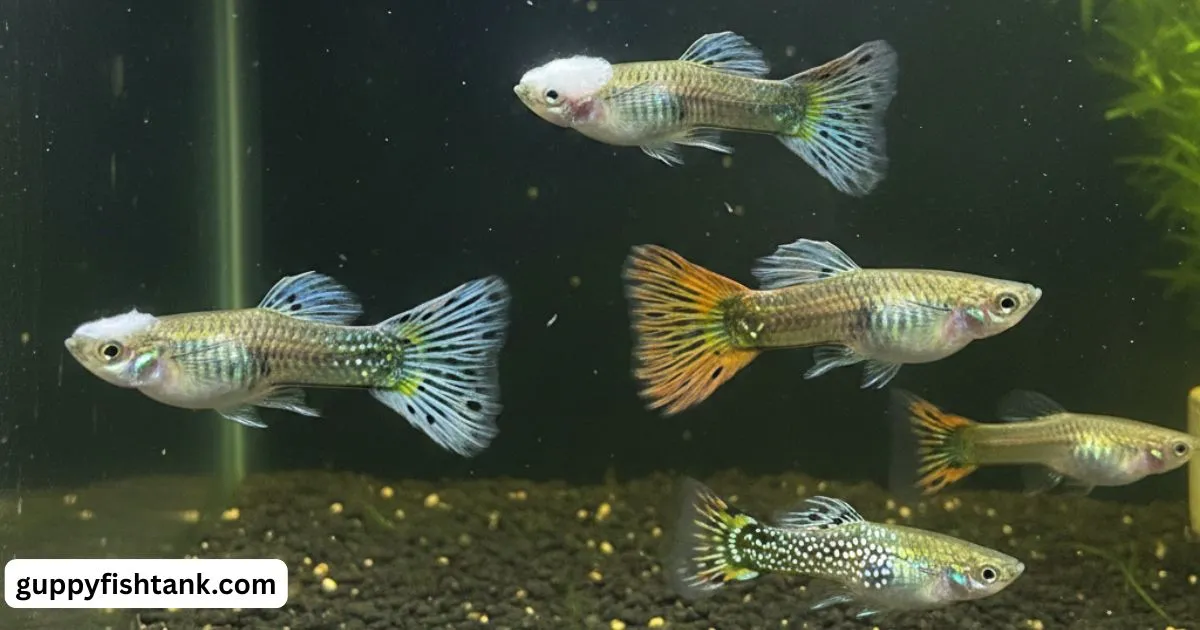
Guppies are small, colorful, and fun, but they can get sick fast. The Guide to Guppy Diseases and Care helps you spot common illnesses, understand why they happen, and take simple steps to treat and prevent them. From bacterial infections to parasites and fungal issues, this guide makes it easy to keep your aquarium vibrant and your fish happy. Whether you’re new to fish keeping or a seasoned hobbyist, you’ll find practical tips and clear advice to protect your guppies and enjoy a healthy, thriving tank.
Common Guppy Diseases
Seeing your guppy looking unwell can be a bit scary, but figuring out the problem is the first step to making them feel better. Let’s look at some of the usual suspects when it comes to guppy sickness.
Velvet Disease: Symptoms, Causes, and Treatment
If your guppy looks like it’s been dusted with fine gold or rust-colored powder, you might be dealing with Velvet. This disease makes fish feel pretty miserable, causing them to rub against objects in the tank. It’s caused by a tiny parasite and is best treated by turning down the lights and using special copper-based medicine from a pet store.
White Spot Disease (Ich): How to Identify and Treat
Ich is easy to spot because it looks like someone sprinkled salt all over your fish. Your guppy will likely seem itchy and uncomfortable. This common parasite doesn’t like heat, so slowly raising the water temperature a few degrees and adding some aquarium salt can often solve the problem.
Dropsy: A Silent Killer in Guppies
Dropsy is when a guppy’s belly swells up, making its scales stick out like a pinecone. This isn’t a disease itself but a sign of a serious internal infection. It’s tough to treat, so it’s important to move the sick fish to a separate “hospital” tank right away and keep the water extra clean.
Fin Rot: Causes and Effective Remedies
When a guppy’s fins look torn, frayed, or have white edges, it’s probably Fin Rot. This is often caused by poor water quality or nippy tank mates. The fix usually involves cleaning the tank water with more frequent changes and using an antibacterial treatment.
Swim Bladder Disorder: What It Is and How to Manage It
Is your guppy swimming funny, maybe floating to the top or sinking to the bottom? It could have a Swim Bladder Disorder. This affects their balance. Sometimes, simply not feeding your fish for a day or two can help, as it might just be a little constipated from overeating.
Rare and Overlooked Guppy Diseases
While we often worry about common issues, sometimes our fish friends face rarer troubles. It’s good to know about these less common conditions so you aren’t caught off guard if your guppy starts acting strange.
Haemorrhagic Septicaemia: What You Need to Know
This sounds like a big, scary name, and honestly, it is a serious condition. It happens when bad bacteria get into your guppy’s blood. You might notice red streaks on their body or fins that look like bruises. If you see this, you need to act fast! Keeping your tank super clean is the best way to stop this from ever happening.
Scoliosis in Guppies: Causes and Prevention
Did you know fish can have back problems, too? Scoliosis is when a guppy’s spine curves into an ‘S’ or ‘C’ shape. It makes swimming really hard for them. Sometimes fish are born this way, but other times it happens because of a poor diet or bad water. Feeding your fish high-quality food with lots of vitamins helps keep their bones strong and straight.
Red Blood Spot: Symptoms and Treatment
If you spot a tiny red sore on your guppy’s stomach, it might be Red Blood Spot. This usually happens in new tanks that aren’t quite ready for fish yet. The main culprit is often dirty water with too much ammonia (that’s a chemical from fish waste). The best fix? Test your water regularly and give your tank time to settle before adding new friends.
Popped Eyes: Causes and Care
This one looks exactly like it sounds: one or both of your fish’s eyes bulge out. It looks painful, but don’t panic. It’s usually a sign of an infection or bad water quality. Improving the water conditions often helps the eyes go back to normal on their own.
How to Prevent Guppy Diseases
They say an ounce of prevention is worth a pound of cure, and that is definitely true for your fish tank! Stopping sickness before it starts is the best way to keep your aquatic buddies swimming happily. Let’s talk about how to keep your tank a “no-sickness zone.”
The Role of Water Quality in Disease Prevention
Imagine if you had to live in a room that was never cleaned. You’d probably get sick, right? The same goes for your guppies. Clean water is the superhero of fish health. You don’t need to be a scientist; just changing about 25% of the water every week helps remove the yucky stuff like poop and leftover food. This simple habit keeps the water fresh and stops bad bacteria from growing.
The Importance of Quarantine Tanks
Bringing home a new fish is exciting, but hold your horses! A new fish might be carrying germs that you can’t see yet. A “quarantine tank” acts like a waiting room. Keep your new friend in a separate small tank for a couple of weeks before introducing them to the main party. This way, if they do get sick, they won’t infect everyone else.
Stress Management for Guppies
Believe it or not, fish get stressed out, too! Loud noises, bright lights that never turn off, or bigger fish chasing them can make guppies feel scared. When they are stressed, their bodies get weak, and they get sick more easily. Give them plenty of hiding spots with plants or caves so they can chill out and feel safe.
How to Choose Healthy Guppies from a Store
When you’re at the pet store, be a detective. Look for fish that are swimming actively and have bright colors. Avoid any fish that are floating weirdly, have clamped fins, or look super skinny. Picking the strongest players from the start gives your tank the best chance at staying healthy!
Advanced Care Tips for Healthy Guppies
So, you’ve mastered the basics of keeping your tank clean and your fish happy. Awesome job! Now, let’s level up your skills with some pro tips to make your guppies even stronger and healthier. Think of this as giving your fish superpowers!
Read More: The Complete Beginner’s Guide to Guppy Fish Care
The Role of Diet in Boosting Immunity
Just like eating your veggies helps you stay strong, feeding your guppies the right food works wonders. A boring diet of just dry flakes every single day is like eating cereal for every meal, yuck! Mix it up by giving them treats like frozen bloodworms or brine shrimp. High-quality food is packed with vitamins that boost their immunity, making it way harder for germs to make them sick.
Natural Remedies for Guppy Diseases
Did you know you don’t always need strong medicine from a bottle? Sometimes, nature has the best cures. For example, adding a little bit of aquarium salt (not the table salt you put on fries!) can help heal minor cuts and stop fungus from growing. Indian Almond Leaves are another cool trick; they release natural chemicals into the water that fight off bad bacteria and help fish relax.
How to Reduce Ammonia and Nitrite Levels in Tanks
Ammonia and nitrite are invisible villains in your tank caused by fish poop and leftover food. To defeat them, don’t overfeed your fish! Only give them what they can eat in two minutes. Also, rinsing your filter sponge in old tank water (never tap water!) keeps the good bacteria alive, which eat up those nasty chemicals for you.
The Benefits of Live Plants in Guppy Tanks
Fake plants are okay, but real plants are game-changers. Live plants like Java Fern or Guppy Grass act like natural water filters. They suck up the bad stuff in the water and release fresh oxygen for your fish to breathe. Plus, they give your guppies a fun jungle gym to play in!
FAQs
What Are the Early Signs of Disease in Guppies?
Catching a sickness early is like stopping a cold before it gets bad. You want to look for changes in how your fish acts or looks. Is your guppy hiding in the corner instead of swimming happily? Is it refusing to eat its dinner? Also, watch out for physical changes like white spots, torn fins, or if they are keeping their fins glued tight to their body (we call this “clamped fins”). If your fish just doesn’t seem like its usual energetic self, take a closer look!
Can Guppies Recover from Dropsy?
This is a tough one. Dropsy is when your fish gets swollen, and its scales stick out like a pinecone. To be honest, it is very hard for a fish to recover from this because it usually means their insides are already quite sick. If you catch it super early, special medicine might help, but often it is too late. Don’t beat yourself up if this happens; just focus on keeping the water clean for your other fish.
How Often Should I Clean My Guppy Tank?
Think of cleaning the tank like cleaning your room; it’s easier if you do a little bit often rather than waiting until it’s a huge mess! A good rule is to change about 25% of the water once a week. You don’t need to empty the whole tank! Just sucking up the dirt from the gravel and adding fresh, treated water keeps the bad germs away and your fish swimming in style.
Conclusion
And there you have it! You’ve made it through the ultimate guide to guppy care. You’re now armed with the knowledge to be an amazing fish parent. Keeping your colorful little pals healthy and happy is one of the best parts of having an aquarium.
Recap of Key Points
We’ve covered a lot, from spotting common problems like Ich and Fin Rot to understanding rarer issues. The biggest secrets to success are keeping the water clean, feeding your guppies a good diet, and giving them a stress-free home. These simple steps can prevent most diseases before they even start.
Encouragement to Monitor and Care for Guppies Regularly
The best way to keep your guppies safe is to become a super-observer. Spend a few minutes each day just watching them swim around. Do they look happy? Are they eating well? When you know how your fish normally act, you’ll notice right away if something is wrong. Catching problems early makes them much easier to fix.
You’ve got this! Being a great guppy owner is all about paying attention and providing a little love and care. Keep up the great work, and enjoy the beautiful, lively world you’ve created in your tank.