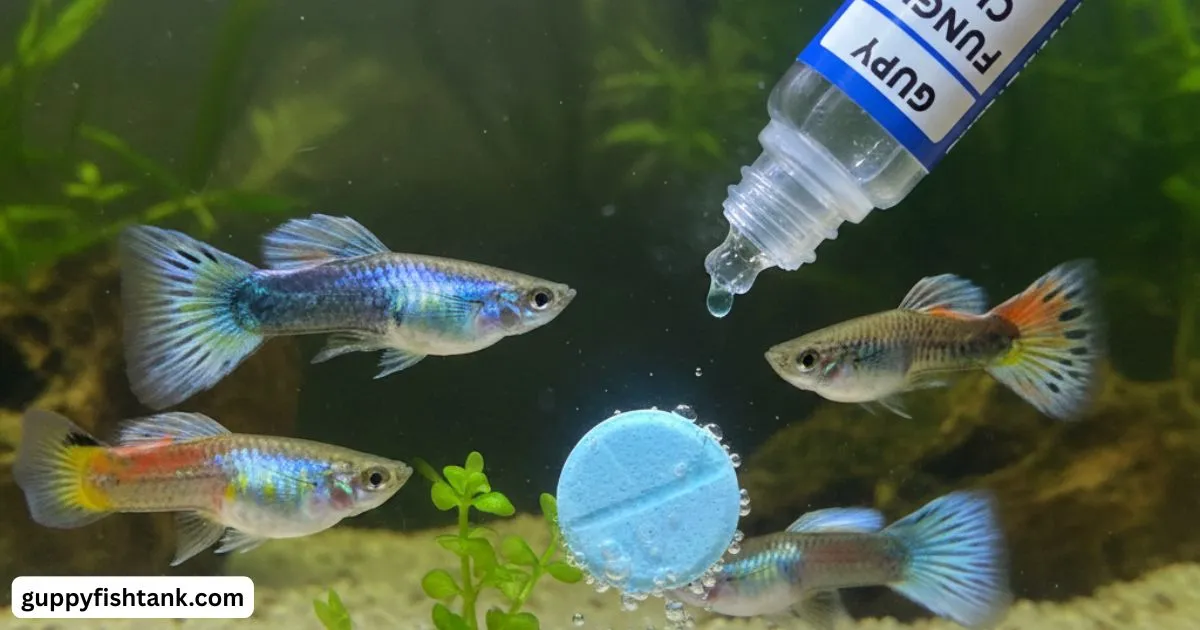
Dealing with guppy fungus can be stressful, but proper care makes all the difference. Understanding the symptoms, maintaining clean water, and using effective guppy fungus treatment help your fish recover quickly and stay healthy. In this guide, we’ll walk you through simple, practical steps to treat fungal infections in guppies, prevent future outbreaks, and keep your aquarium thriving. Whether you’re a beginner or an experienced fish keeper, these tips make treatment easy and stress-free.
What You Need to Know About Fungal Infections
Seeing fuzzy spots on your guppy can be a little scary, but understanding what you’re up against is the first step to fixing it. Fungal infections sound serious, but they’re usually just a sign that something else is off in the tank. Think of it as a warning light on your car’s dashboard; it’s telling you to take a closer look under the hood.
What Causes Fungal Infections in Guppies?
Fish fungal infections rarely pop up out of nowhere. They almost always have an underlying cause, and the top two culprits are poor water quality and stress in fish. When the water in your aquarium isn’t clean, it creates the perfect environment for fungus to grow. Stress from things like bullying tank mates or big changes in water temperature can weaken a guppy’s immune system, making it much easier for an infection to take hold. An injury, like a nipped fin, can also open the door for fungus to move in.
The Science Behind Fungal Spores in Aquariums
Here’s a little secret: fungal spores are always present in your aquarium water. Don’t worry, this is completely normal! These spores are usually harmless and only become a problem for fish that are already weakened by stress or injury. A healthy, happy guppy can easily fight them off. That’s why preventing fungal infections in aquariums is all about keeping your fish strong and their environment clean, which stops those pesky spores from causing any trouble. Spotting the early signs of fungal infections in guppies is key, but prevention is your best defense.
Treatment Methods
So, you’ve spotted the signs, and now it’s time to take action. Don’t panic! Treating your guppy is easier than you might think, and you have some great options to choose from. Let’s get your little swimmer back to their happy, colorful self.
Which Treatment Is Right for Your Guppy?
Picking the right fish fungus treatment depends on how sick your guppy looks. If the infection is mild, maybe just a tiny white spot, you might start with a gentle approach. However, for more serious cases where the fluff has spread, you’ll want to bring out the big guns.
Popular guppy fungus remedies like API Fungus Cure and Maracyn are fantastic for stopping fungus in its tracks. If you suspect your fish also has parasites (itchy behavior is a clue!), a combo of Ich-X and Maracyn can work wonders. For very specific cases, like protecting eggs or treating superficial wounds, Methylene Blue is a classic, effective choice used by pros. Always check the label to make sure you’re picking the best match for your tank’s needs.
Step by Step Guide to Salt Baths for Guppies
One of the oldest and safest tricks in the book is using salt. Guppies are tough little fish that actually tolerate salt quite well! Here is a simple salt treatment for guppies:
- Prepare a Container: Fill a separate container with one gallon of water from your main tank.
- Add Salt: Dissolve 1 tablespoon of aquarium salt (not table salt!) into the water. Make sure it’s fully mixed.
- The Dip: Gently net your guppy and place them in the salt bath for about 15 to 20 minutes. Watch them closely! If they roll over or look too stressed, put them back in their home immediately.
- Return Home: After the bath, gently move your guppy back to the main tank.
This simple method helps clear up fungus and slime coats without harsh chemicals.
Preventive Measures
They say an ounce of prevention is worth a pound of cure, and that is definitely true for your aquarium! The absolute best way to handle fungal infections is to stop them from happening in the first place. By keeping your tank happy and healthy, you’re building an invisible shield around your little fishy friends.
How to Maintain a Stress Free Environment for Guppies
Did you know fish can get stressed just like we do? And when they are stressed, their immune systems get weak, making them easy targets for fungus. To keep your guppies chill, focus on stability. Keep the water temperature steady; guppies love it around 76°F to 80°F.
Also, make sure they have plenty of hiding spots. Live plants or little caves give them a safe place to retreat if they feel overwhelmed. Avoid overcrowding the tank, as too many neighbors can make anyone cranky! Regular water changes are also non-negotiable; dirty water is the number one cause of stress in fish. Think of it like fresh air for us humans, essential for staying healthy.
Best Practices for Feeding Guppies: Diet and Nutrition Tips
You are what you eat, and the same goes for your guppies! Preventing fungal infections in aquariums starts with a strong immune system, which comes from good food. Don’t just rely on the same old flakes every single day. Variety is the spice of life!
Mix it up with high-quality pellets, frozen treats like brine shrimp, or even tiny bits of blanched veggies like spinach. This ensures they get all the vitamins they need. Be careful not to overfeed, though. Uneaten food rots quickly, dirtying the water and inviting fungus to the party. A hungry guppy is usually a healthy guppy, so feed them small amounts that they can finish in a minute or two.
Also Read: The Complete Beginner’s Guide to Guppy Fish Care
FAQs
Can Fungal Infections Spread to Other Fish?
This is the big worry on everyone’s mind! The short answer is: sort of, but not in the way you might think. Fungal infections aren’t usually “catchy” like a cold in a classroom. Remember those fungal spores we talked about? They are already hanging out in most tanks.
However, if one fish is sick, it often means the water quality isn’t great, or there is something stressful happening in the tank. This bad environment puts all your fish at risk. So, while the fungus itself doesn’t jump from fish to fish like a flea, the conditions that caused it can affect everyone. That is why preventing fungal infections in aquariums always starts with clean water!
How Do I Know If My Guppy Is Fully Recovered?
Great question! You don’t want to stop treatment too early. You’ll know your little buddy is on the mend when those fuzzy white patches completely disappear. Their fins should look clear and smooth again, not ragged or cottony.
But looks aren’t everything. Watch their behavior, too! A recovering guppy will get their appetite back and start swimming actively around the tank instead of hiding in the corner. If they are eating well and zooming around with their friends, that’s the best sign that the fish’s fungal infections are history. Just to be safe, keep a close eye on them for a few extra days to make sure the signs of fungal infections in guppies don’t sneak back!
Conclusion
Reaching the end of this journey means you’re now equipped with the knowledge to be a superhero for your fish! Dealing with sickness in your tank can feel scary at first, but remember: you’ve got this. By staying observant and acting fast, you can keep your underwater world thriving.
Final Thoughts on Guppy Care
At the end of the day, healthy guppy care isn’t about being perfect; it’s about being consistent. The best medicine is always a clean, happy home. If you focus on preventing fungal infections in aquariums by keeping that water sparkling and the stress levels low, your guppies will thank you with their bright colors and energetic wiggles.
Remember to keep an eye out for those early signs of fungal infections in guppies, like cottony patches or lethargic swimming. Catching it early makes treatment a breeze. You don’t need a degree in biology to be a great fish keeper; you just need a little patience and a lot of love for your fins.
Encouragement to Share Your Experience and Ask Questions
We know that every aquarium is unique, and sometimes things don’t go exactly by the book. Have you successfully treated a stubborn fungus? Or maybe you have a special trick for keeping your water pristine? We’d love to hear your stories!
Drop a comment below to share your experiences or ask any burning questions you might have. The fish-keeping community is full of friendly folks ready to help. Let’s learn from each other and make sure every guppy lives their best life.