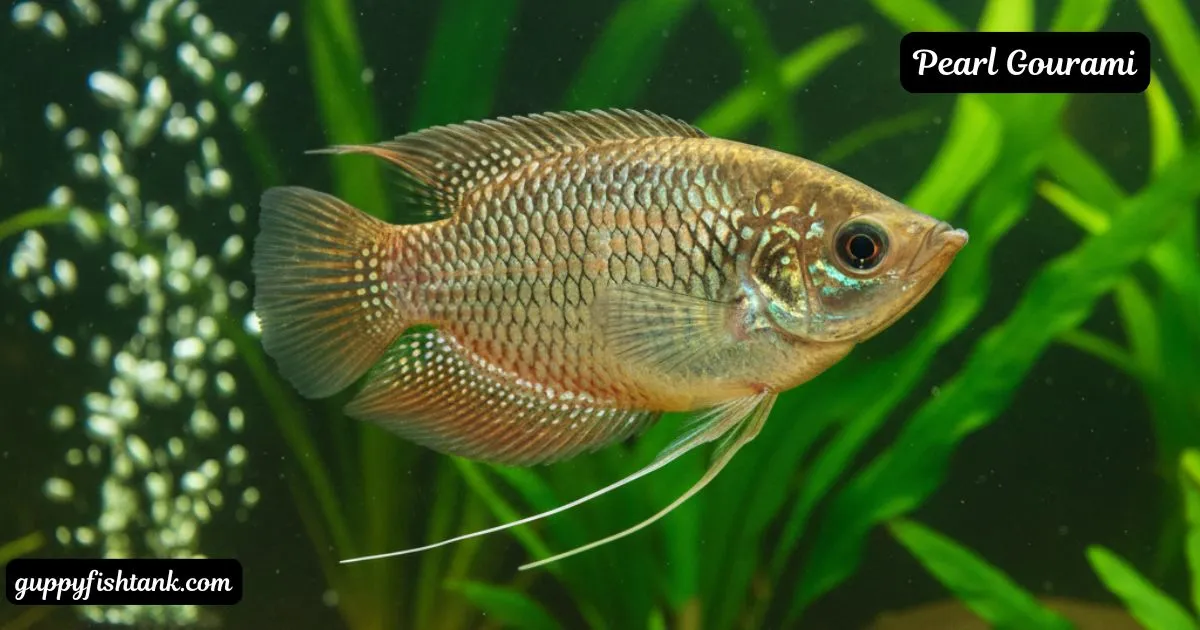
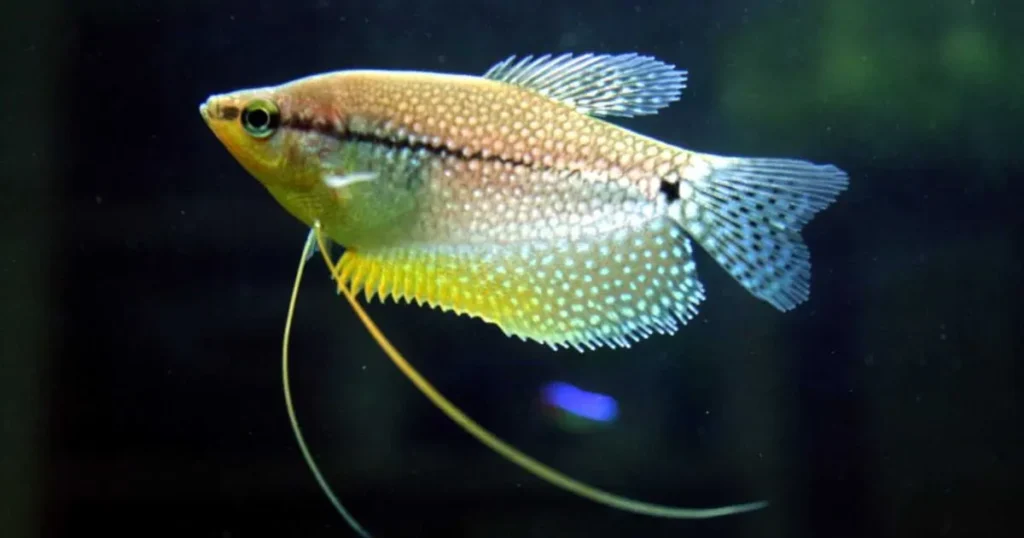
A fish that sparkles like a living pearl, gliding through your aquarium with a shy smile. That’s the pearl gourami for you—a peaceful swimmer from Southeast Asia’s rivers and swamps, growing to about 4-5 inches long and living 4-8 happy years if you treat it right. Nicknamed Trichopodus leerii by science folks, this gourami fish is a beginner’s dream, lighting up community tanks with its pearly spots and gentle vibe. Ready to bring one home? Let’s dive in and make your pearl gourami care a total breeze.
Pearl Gourami Origins and Physical Traits
slow-moving waters in Thailand, Malaysia, and Indonesia, thick with plants and secrets. That’s where pearl gourami comes from—shallow swamps and streams where they hide and hunt tiny bugs. Males flash brighter colors, especially under their gills, like a secret rainbow only they know about. Females stay a bit softer in shade, both rocking those iridescent pearl dots that make them glow.
These gourami fish have a cool trick: a labyrinth organ that lets them breathe air from the surface, like a built-in snorkel. No wonder they’re tough cookies in home tanks! Size-wise, expect 4 inches for most, but give them space to shine. Heart melting yet? Their shy charm pulls you in, promising quiet joy with every glance at your tank.
Ideal Tank Setup for Pearl Gourami
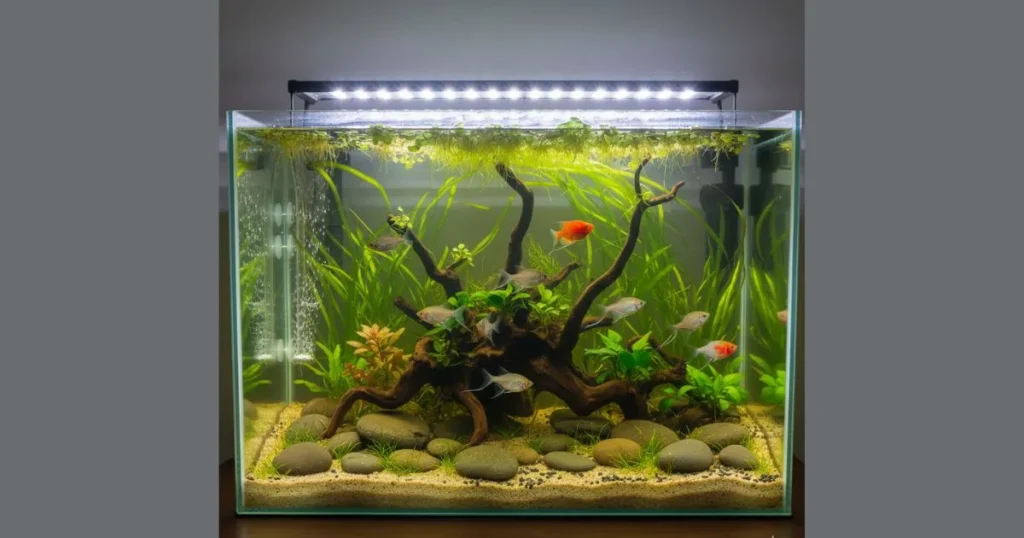
You want your pearl gourami tank size to hit at least 30 gallons for one or a pair—bigger, like 55 gallons, and rocks for groups. Why? They love room to explore without bumping fins. Aim for water at 77-82°F, pH between 5.5 and 7.5, and soft flow—think gentle river, not wild rapids.
Filtration? A hang-on-back filter keeps things clean without sucking them in. Add dim lights and lots of hiding spots to ease their bashful hearts. Now, plants: pearl gourami physical characteristics scream “cover me!” Skip bare tanks; load up with java fern, hornwort, or amazon sword for cozy caves. Best plants for pearl gourami hiding spots? Floating ones like water lettuce on top—they mimic home swamps and let babies hide later.
Tank setup tip: Layer gravel bottom, mid-level plants, and surface floaters. Your pearl gourami will thank you with bold swims, not constant darts. Feeling excited to build this watery paradise?
What Do Pearl Gouramis Eat? Diet Essentials
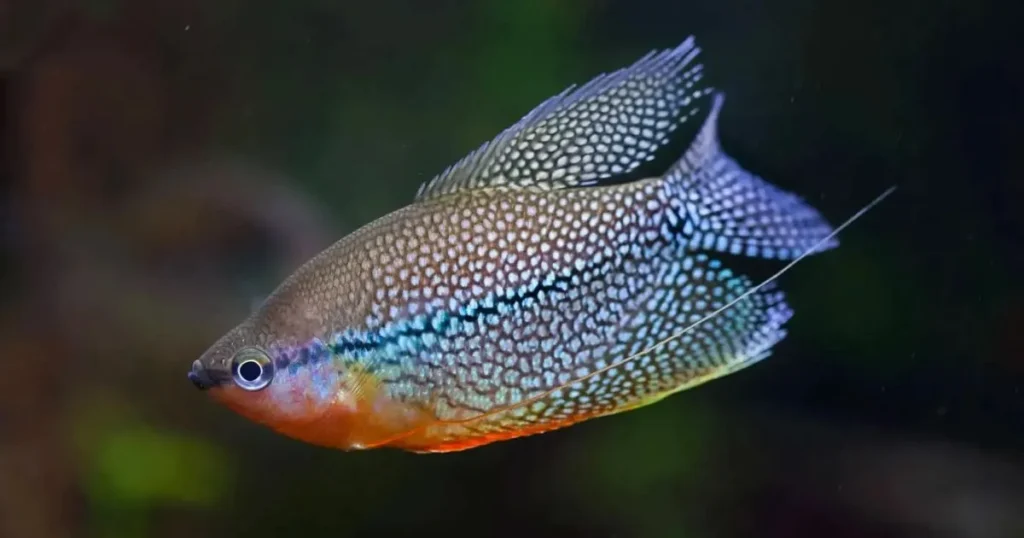
Hungry pearl gourami? They munch flakes or pellets daily—small sinking ones to snag mid-water. Spice it up 2-3 times weekly with live goodies like brine shrimp or bloodworms; frozen works too. Skip Beefheart—it dirties water and upsets tummies.
Feed small bits they finish in 2 minutes, once or twice a day. Overdo it, and hello, swim bladder woes! Variety keeps colors popping and health strong. Imagine their joy chomping live daphnia—pure delight. What’s your first treat pick?
Pearl Gourami Tank Mates: Safe Pairings
Pearl gourami shines in a gang of chill buddies—no bullies allowed! Tank mates like 6 neon tetras, 4 corydoras catfish, or 5 white cloud mountain minnows create harmony. Danios zip above, kuhli loaches scoot below—perfect balance.
Ditch fin-nippers like tiger barbs or big cichlids; same-species males fight too. Do pearl gouramis need a group? One or a female pair works, but 3-5 sparkles up social vibes without drama. Shrimp? Cherry ones hide well. Your community tank buzzes with life, hearts warming at the peaceful dance.
| Neon Tetras | Speedy, non-aggressive | 6-8 |
| Corydoras | Bottom cleaners, friendly | 4+ |
| Harlequin Rasboras | Schoolers, same level | 5-6 |
| Otocinclus | Algae eaters, tiny | 3 |
How to Spot and Prevent Pearl Gourami Diseases?
Uh-oh, spots or clamped fins? Pearl gourami diseases like fin rot (ragged edges) or ich (white dots) sneak in from dirty water. Gill flukes make breathing hard—watch for rapid gulps. Prevention? Weekly 25% water changes, quarantine newbies 2 weeks.
Boost immunity with Indian almond leaves (natural tannins) or stress coat. Spot issues early: lethargy, no eating. Treat ich with salt (1 tsp per 5 gallons) and heat to 82°F. Fin rot? Clean water plus meds like Maracyn. No scares if you stay vigilant—your pearl gourami thrives, safe and sound. Relieved yet?
Breeding Pearl Gourami: Bubble Nest Guide
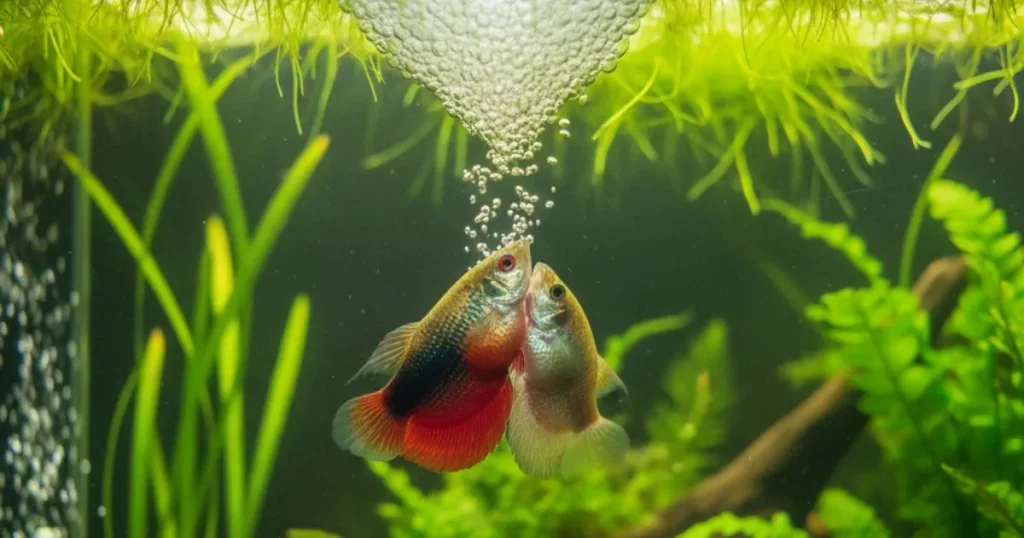
Dreaming of baby pearl gouramis? Males build bubble nests under floating plants—10% water from soft peat daily gets them going. Condition both with live brine shrimp for 1-2 weeks; drop the female near the nest.
She lays 100-500 eggs; dad guards, hatching in 24-36 hours. Move adults out, feed fry infusoria, then baby brine shrimp. Success rate? 70% with patience. Tiny pearls darting everywhere—pure magic! Ready for fish family fun?
Common Pearl Gourami Problems and Fixes
Why’s your pearl gourami hiding like a secret agent? New tank stress or bright lights—dim down, add plants. Not eating? Offer live foods; stubborn ones need mosquito larvae. Bloating? Cut overfeeding, add daphnia.
Read More: Rainbow Shark Tank Mates Size:Safe Picks for a Thriving Community Tank
FAQs
What’s the ideal pearl gourami tank size?
Go for at least 30 gallons for one or a pair—55 gallons or more if you’re adding tank mates. This gives your pearl gourami room to glide without stress, mimicking their swampy Southeast Asian homes.
What are the best tank mates for pearl gourami?
Pair them with chill buddies like 6-8 neon tetras, 4+ corydoras catfish, or harlequin rasboras. Skip fin-nippers like tiger barbs—your pearl gourami stays happy and colorful!
How do I get my pearl gourami to stop hiding?
Dim the lights, pile in plants like Java fern or floating water lettuce, and ease them into the tank slowly. Shy guys just need cozy spots to build courage.
What does a pearl gourami eat?
Sprinkle high-quality flakes or pellets daily, but wow them 2-3 times a week with live or frozen brine shrimp and bloodworms. Small bites they finish in 2 minutes keep tummies happy and water clean.
Can pearl gourami breed in my home tank?
Totally! Males craft bubble nests under floating plants after fattening up on live foods. Expect 100-500 eggs—separate parents post-spawn for fry success. Pure baby-fish magic!
Final Tips
Your pearl gourami tank is about to become the glowing heart of your home—peaceful, sparkling, and full of life. Start small, love big, and watch these shy gems reward you with years of watery wonder.