
Freshwater guppies are some of the most colorful and lively fish you can keep in your home aquarium. If you’ve ever thought about diving into the world of aquarium care for freshwater guppies, this guide is here to help you every step of the way. With easy tips and all the info you’ll need, even if you’re a complete beginner, you’ll soon have a thriving, happy guppy family to enjoy.
Why Freshwater Guppies Make Great Aquarium Fish
Guppies are tiny powerhouses of color and personality. These little fish are perfect for beginners because they’re hardy, easy to care for, and incredibly fun to watch. Aquarium care for freshwater guppies isn’t complicated, and these guys don’t need a massive tank or fancy equipment. They swim around actively, display vibrant colors, and can even surprise you with cute baby guppy popping up if you’re into breeding.
Overview of Guppy Care Essentials
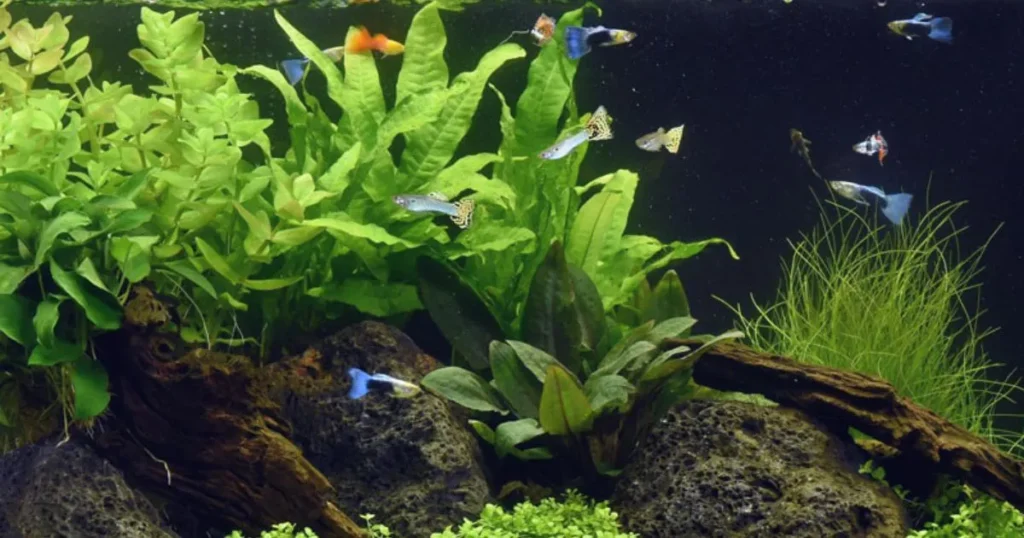
The backbone of keeping guppy happy is setting up the right environment, feeding a balanced diet, and maintaining good water quality. They need a cozy home with the right tank size and water conditions, tasty food served just right, and a calm community to live in. Let’s break it down.
Setting Up the Perfect Guppy Aquarium
Recommended Tank Size and Setup
Even though guppies are small, giving them a roomy tank makes a big difference. Think at least 5 gallons for a few guppies and then add about 2 gallons for each extra fish. This extra space allows them to swim freely and stay healthy.
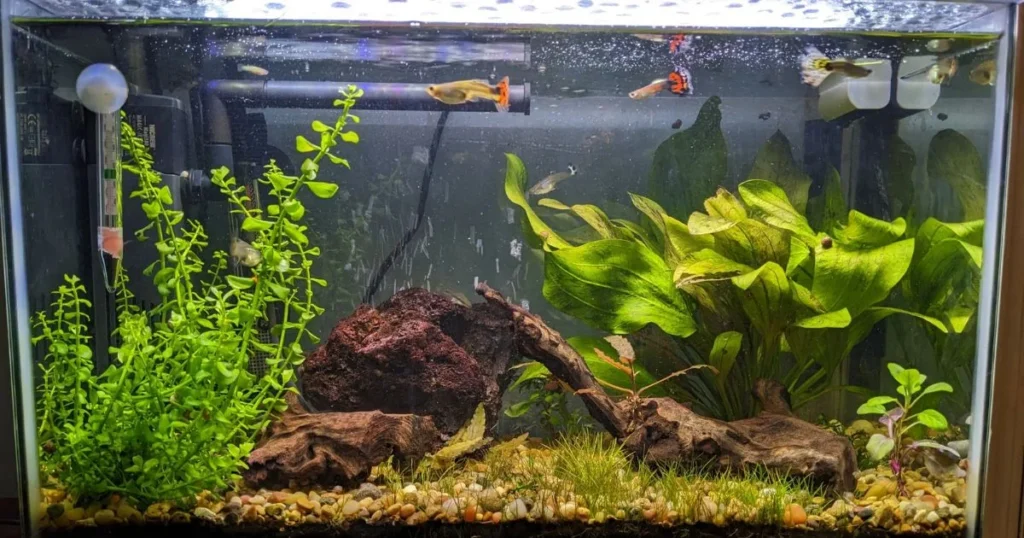
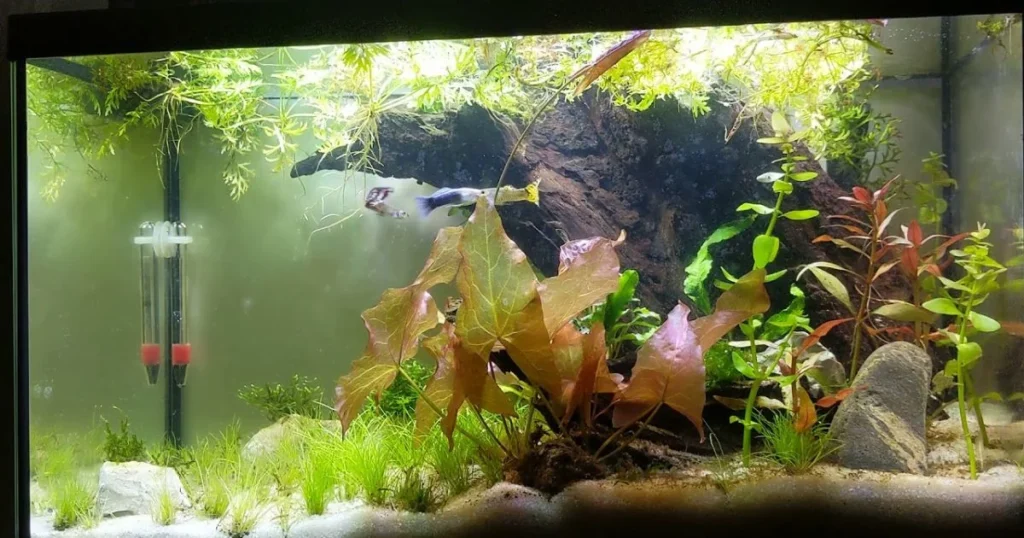
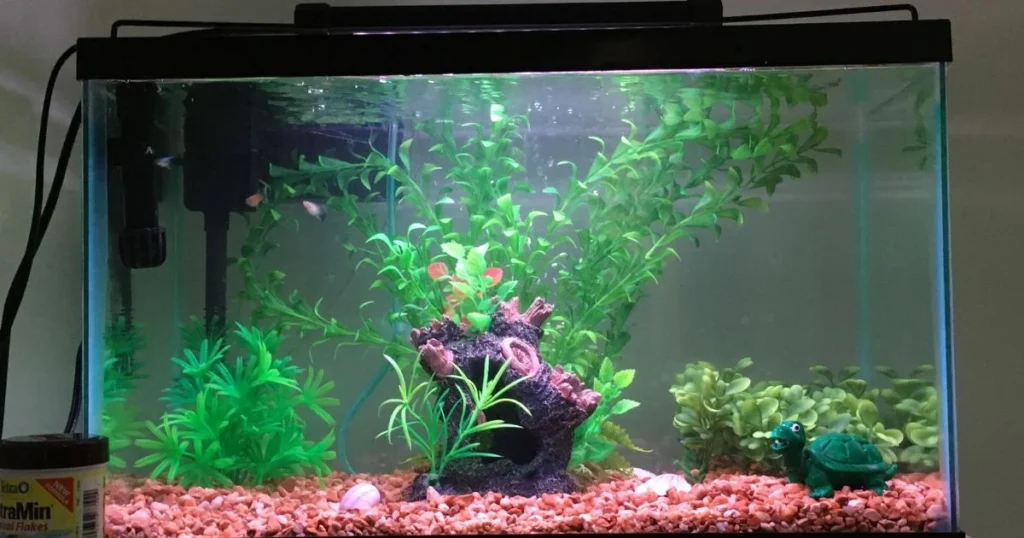
Your tank should have a soft and gentle substrate like fine gravel or sand, and add live plants ones are best as they clean the water and make the guppy feel safer. Decorations like little caves or rocks are great to add some fun hiding spots. Trust us, guppy love having places to dart into when they want a break.
Read More: Types of Guppy Fish: A Detailed Guide for Beginners
Cycling Your Aquarium: Why and How?
Setting up a tank isn’t just about filling it with water. Cycling your aquarium means building up good bacteria that keep toxins like ammonia from harming your guppy. Start your tank at least 3 to 4 weeks before adding guppy. You can cycle your aquarium by adding a small amount of fish food or ammonia and testing the water regularly until the tank reaches safe levels.
Choosing the Right Substrate and Decorations
Besides plants, some saltwater decorations work beautifully in freshwater tanks. You want to avoid anything sharp that might hurt your fish. Keep it natural and simple, guppy appreciate that.
Aquarium Lighting Best Practices for Guppies
Lighting isn’t just to make your tank look good (which it definitely does). Proper lighting replicates the day night cycle, helping guppies stay active and regulate their body clocks. Bright but not harsh light is ideal, around 8 to 10 hours a day.
Water Quality and Parameters
Ideal Temperature, pH, and Hardness Levels
Guppies love their water just right. The ideal temperature is about 75 to 82°F (or 24 to 28°C). Use a reliable heater to keep things steady because sudden chill shocks stress these little swimmers.
For pH, anything between 7.0 and 8.5 works well. Guppy also enjoy moderate hardness levels, around 8 to 12 dGH. You can test these with easy kits found at pet stores.
Understanding Specific Gravity and Salt Use in Freshwater Tanks
Although guppies are freshwater fish, a tiny pinch of aquarium salt can help boost their immune systems and fight off diseases. The specific gravity (or salt level) should stay very low compared to marine tanks. Adding about 1 teaspoon of salt per gallon can do wonders without harming your guppies.
Now that you know about salt use, let’s cover how to maintain this healthy environment through regular water changes.
Keep your tank fresh by changing about 10 to 25% of the water every two to four weeks. This helps remove waste and keeps toxins low without disturbing the beneficial bacteria living in your tank. Clean water equals happy fish!
Feeding Your Guppies for Optimal Health
Balanced Diet Essentials: Flakes, Live, and Frozen Foods
Guppies are not picky eaters; they thrive on a mix. Feed them quality flakes or pellets daily, but don’t stop there! Add live or frozen foods like brine shrimp, daphnia, and mosquito larvae as treats.
How Much and How Often Should You Feed Guppies?
Feed your guppies small amounts 1 to 3 times a day. Overfeeding is a big no no because leftover food pollutes the water quickly, making your tank a less friendly place. Think of it like giving just the right snack, not a feast.
Can Guppies Eat Plant Based Foods?
Yes, guppies nibble on plants, too. Adding blanched spinach, zucchini, or even algae tablets helps keep their diets balanced and their colors vibrant.
Breeding and Fry Care
How to Tell if Your Guppy is Pregnant
Female guppies have a black spot near their rear that gets darker and bigger when pregnant. They might also seem calmer or a bit hungrier. You’ll love to see new life arriving!
Best Practices for Raising Guppy Fry Safely
Baby guppies (called fry) need tiny food like infusoria or finely crushed flakes. Providing plenty of hiding spots in your tank is key because adult guppies sometimes nibble on fry by mistake.
Managing Fry Growth and Nutrition
As baby guppies grow, slowly introduce larger food. Keep water clean and stable, and watch them flourish.
Tank Mates and Community Setup
Compatible Fish Species for Guppy Tanks
Guppies are social butterflies and do well with peaceful fish like neon tetras, platies, or mollies. Avoid bigger or aggressive fish that might bully them.
How to Avoid Aggression?
Make sure there’s enough space and décor to break lines of sight. Adding plants and rocks gives guppies places to hide and calm down.
Understanding Guppy Behavior and Stress Reduction
Active swimming, chasing, and colorful displays are all normal guppy behaviors. If you see hiding or clamped fins, it means they’re stressed. Check the water quality and tank conditions.
Common Guppy Health Issues and Prevention
What Are the Most Common Diseases Affecting Guppies?
Look out for white spots (ich), fin rot, and fungus. These are common and treatable if caught early.
How to Identify and Treat Guppy Diseases Early?
Any changes in behavior or appearance should ring alarm bells. Quarantine sick fish and treat the tank water with recommended medicines.
Preventative Measures for a Healthy Aquarium
Regular cleaning, water changes, and feeding high quality food go a long way in keeping diseases away.
Beyond health, enriching your tank environment boosts guppy well being. Let’s discuss aquascaping and environmental enrichment ideas.
Plants like Java moss, water wisteria, and hornwort not only beautify your tank but also improve water quality.
Creating Hiding Spots for Stress Reduction
Using caves, floating plants, or even leaf litter gives shy guppies safe places to chill.
Seasonal and Long Term Care Tips
How Does Seasonal Change Affect Guppy Care?
Though mostly stable indoors, big changes in room temperature or light can affect your guppies. Adjust heaters and lighting accordingly.
Monitoring and Supporting Guppy Lifespan and Growth
Guppies can live 2 to 3 years with great care. Feed smart, keep water clean, and watch your little fish family grow strong.
FAQs
How Long Do Guppies Typically Live?
With proper aquarium care for freshwater guppies, most live 2 to 3 years, sometimes longer, with excellent care.
Why Are My Guppies Losing Their Color or Fading?
Stress, poor diet, or bad water quality are usually the reasons. Check water parameters and consider adding better food or plants.
Conclusion:
Caring for freshwater guppies is a joy that anyone can master. By setting up the right tank, meal planning smartly, keeping water healthy, and understanding guppy behavior, you create a lively underwater world at home. These colorful little fish will reward your care with endless charm and bursts of excitement. Dive in and enjoy every splashy moment.